Research by the West Africa Geophysics (WAGeo) Laboratory at the Kwame Nkrumah University of Science and Technology, Kumasi (KNUST) aimed at improving the detection of clandestine graves has attracted the attention of the Ghana Police Service Criminal Investigations Department (CID), opening new opportunities for collaboration in forensic investigations.
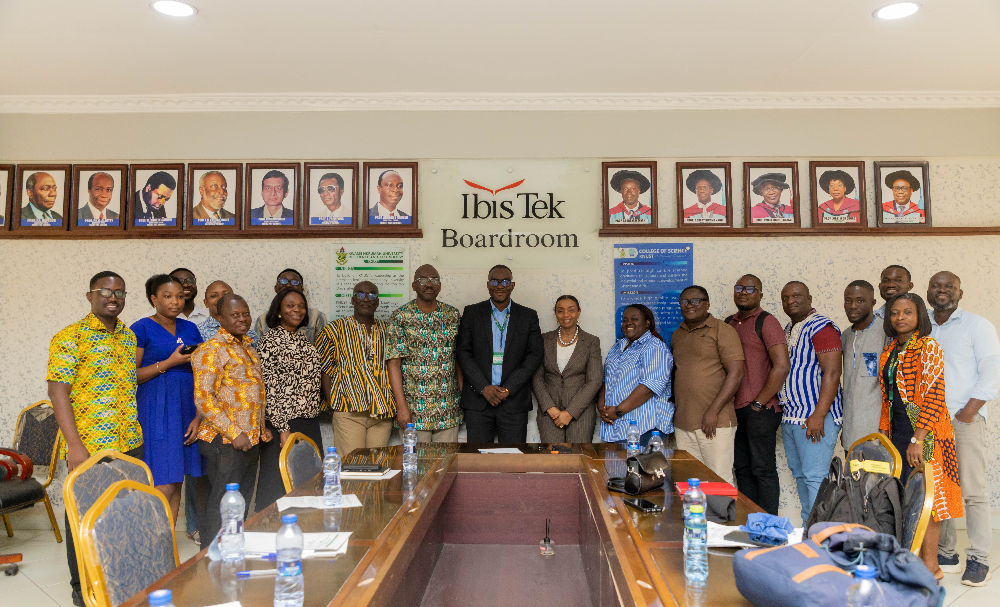
The engagement took place during a research dissemination programme held in Accra on May 28, 2026, where the KNUST team presented findings from a year-long KREF-funded study that validated the use of non-invasive geophysical techniques for locating clandestine burials in tropical African environments.
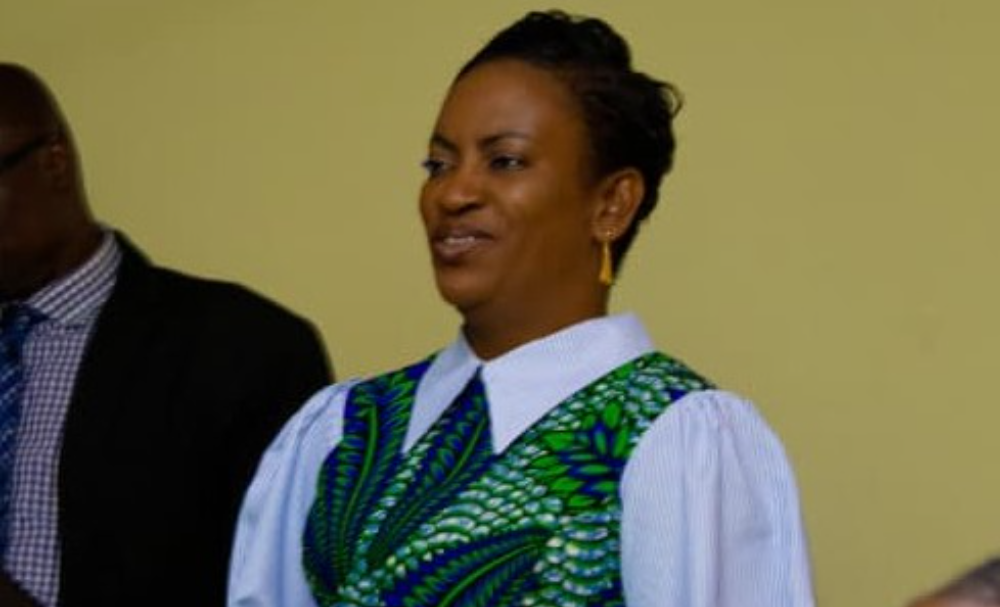
The event was opened by the Director-General of the CID, COP Lydia Yaako Donkor, and brought together police investigators and researchers to explore how scientific innovations can support criminal investigations.
Leading the presentation, Dr. Cyril Dziedzorm Boateng, Principal Investigator and Head of the WAGeo Laboratory, showcased results from controlled experiments that used pig cadavers as human analogues to assess the effectiveness of forensic geophysical methods. The study demonstrated the successful detection of buried remains using Ground Penetrating Radar (GPR) and Electrical Resistivity Tomography (ERT) under tropical soil conditions.
Describing the significance of the work, Head of the Department of Physics at KNUST, Prof. Kofi Ampong, said the project exemplifies the University's commitment to developing solutions to local challenges through research.
“This is Ghanaian science solving Ghanaian problems,” he said.\
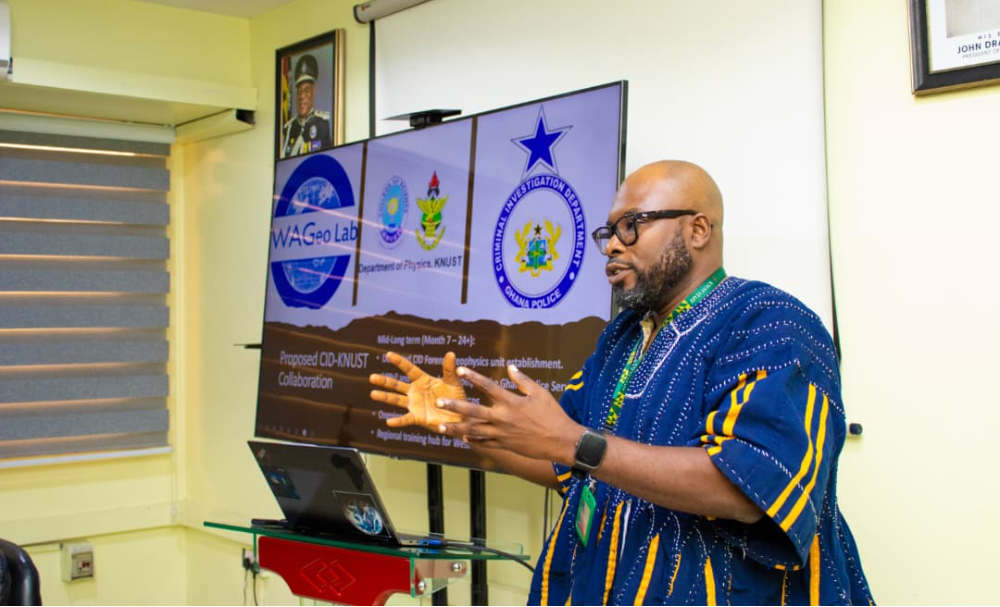
The discussions generated strong interest from the CID, particularly the Homicide Unit, whose Director, DCOP William Sedoame, expressed interest in deepening collaboration with the research team.
Researchers noted that the engagement also provided valuable feedback from investigators, whose questions and operational insights identified new areas for future research and potential field deployment of the technology.
The project addresses a longstanding challenge in forensic science across many African countries, where locating clandestine graves often relies heavily on manual searches and witness accounts. The validated geophysical techniques offer a non-invasive approach that could improve the efficiency and accuracy of investigations involving missing persons and homicide cases.
The multidisciplinary research team comprises Prof. Kwasi Preko, Dr. Edmund I. Yamba, Dr. Jeffrey Dadson, Dr. Michael Edem Donkor, Dr. Akyana Britwum and Dr. Nana Esi Aduku.
The project has also contributed to postgraduate training, with two master's students completing theses based on the research findings and scheduled to graduate this academic cycle.