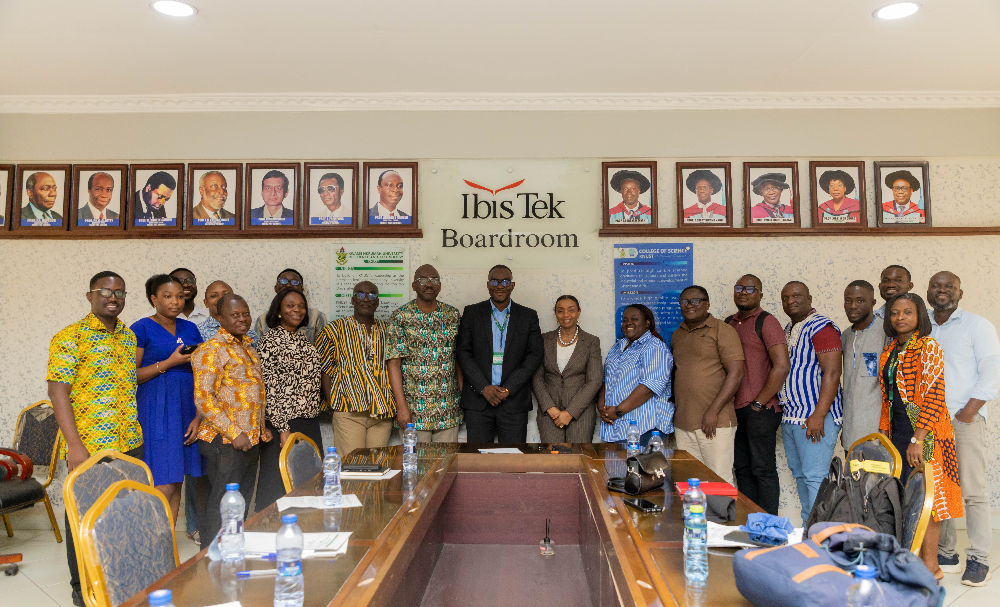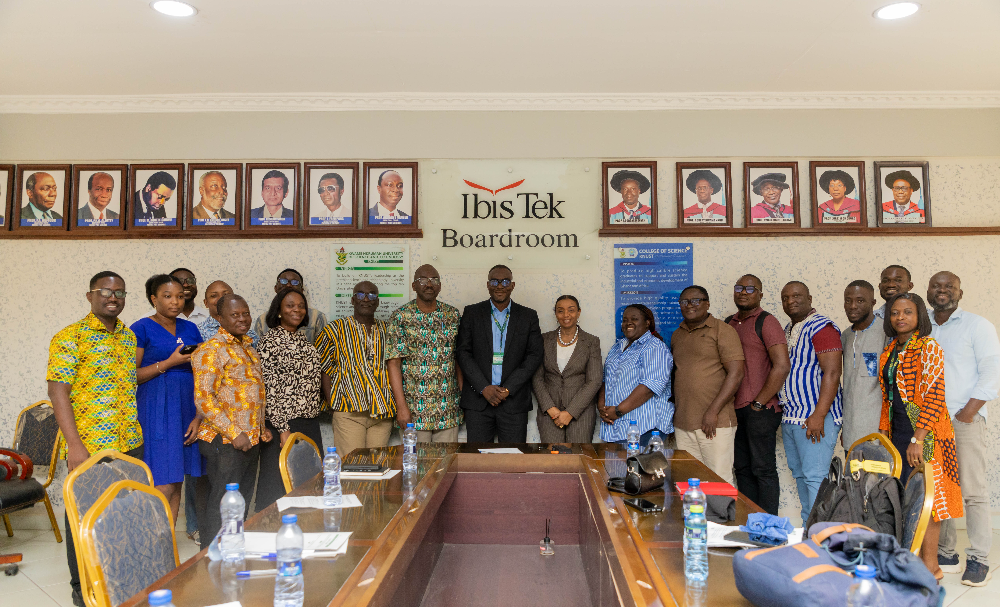
The Department of Food Science and Technology (FST) at Kwame Nkrumah University of Science and Technology (KNUST) recently hosted a delegation from the University of Liberia and the Liberian Food Safety Initiative as part of a two-day visit aimed at strengthening academic partnerships and advancing food science education and capacity building in West Africa.
The visit formed part of a broader educational tour of Ghanaian universities by the Liberian delegation, which seeks to learn from established food science programmes and identify opportunities for collaboration.
The delegation from Liberia included Prof. Dr. Agnes Reeves Taylor, Vice President for Academic Affairs (VPAA); Mr. Yeke Gayfloy, Head of the Department of Food Science and Human Nutrition; Dr. Sonnie R. Kesselly, Associate Dean, College of Agriculture; Dr. Washington Kezelee, Assistant Professor of Nutrition and Forestry; and Mr. Othello Solo Monitoring & Evaluation Expert.
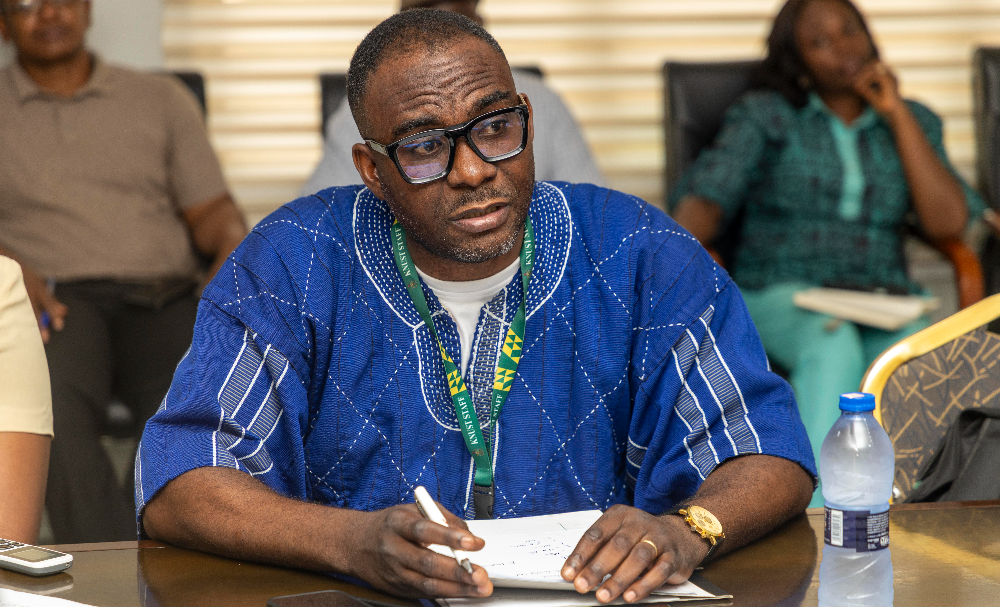
The first day of the visit focused on formal discussions between the delegation and faculty members of the Department of Food Science and Technology.
Welcoming the visitors, the Head of Department, Prof. Jacob Kwaku Agbenorhevi, introduced faculty and staff members and provided an overview of the department's history, academic programmes, research activities, international collaborations, and ongoing projects.
During the discussions, the University of Liberia delegation shared the progress of its emerging Food Science programme, which was approved in 2022 and is currently in its first year of implementation. Theyhighlighted their vision for developing a strong food science curriculum and identified laboratory infrastructure, practical training, and technical expertise as immediate priorities for the growth of the programme.
Faculty members from KNUST shared insights into the development of the Food Science and Technology programme, outlining the department's evolution from its early beginnings in the late 1980s to its current status as one of Africa's leading food science departments.
Discussions also explored key academic pillars that underpin food science training, including Food Chemistry, Food Processing and Product Development, Food Microbiology and Fermentation, and Food Engineering.
Several potential areas of collaboration emerged from the meeting, particularly in laboratory development and training. Proposed initiatives included faculty-led training workshops in Liberia, internship and practical training opportunities for University of Liberia students at KNUST, and the development of virtual laboratory training programmes through KNUST's digital learning platforms.
These initiatives are expected to support the University of Liberia as it strengthens its capacity for teaching, research, and laboratory-based training.
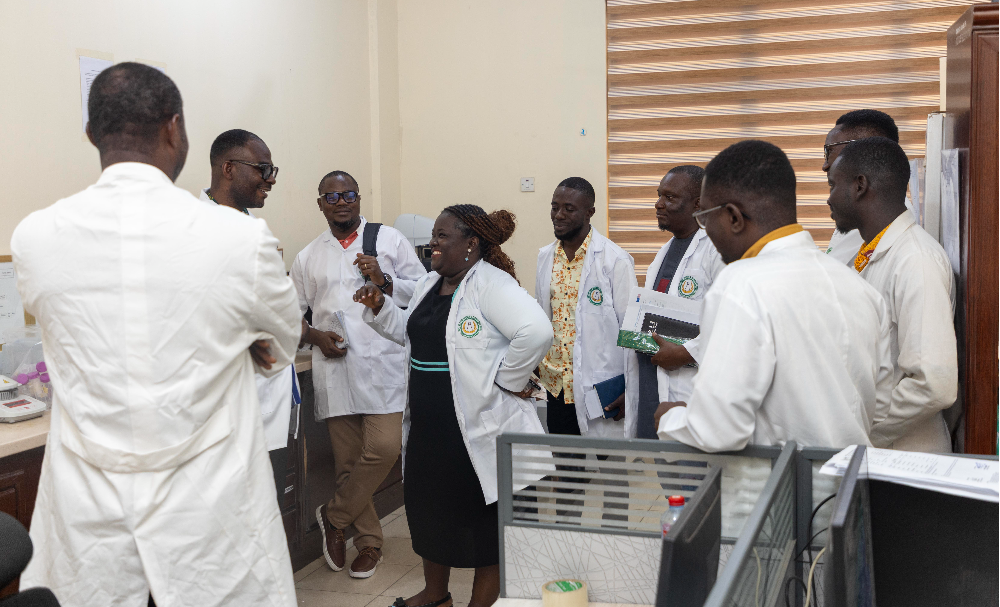
On the second day of the visit, the delegation toured the KNUST campus and visited key facilities, including the International Programmes Office(IPO) and the department's teaching and research laboratories, the KNUST Museum and the University Relations Office (URO).
The visitors interacted with faculty and technical staff, gaining firsthand insight into the department's laboratory infrastructure, research environment, and student training systems.
The visit concluded with a forum involving faculty and staff of the Department of Food Science and Technology, where both institutions discussed opportunities for future collaboration in teaching, research, student exchanges, staff development, laboratory capacity building, and joint projects through a structured Memorandum of Understanding (MoU).

The discussions reflected a shared commitment to advancing food science education and strengthening food systems across the region.
In her closing remarks, Prof. Dr. Agnes Reeves Taylor, Vice President for Academic Affairs (VPAA), expressed appreciation for the hospitality extended to the delegation and the valuable insights gained during the visit. She also commended the department for its professionalism and prompt communication throughout the planning process.