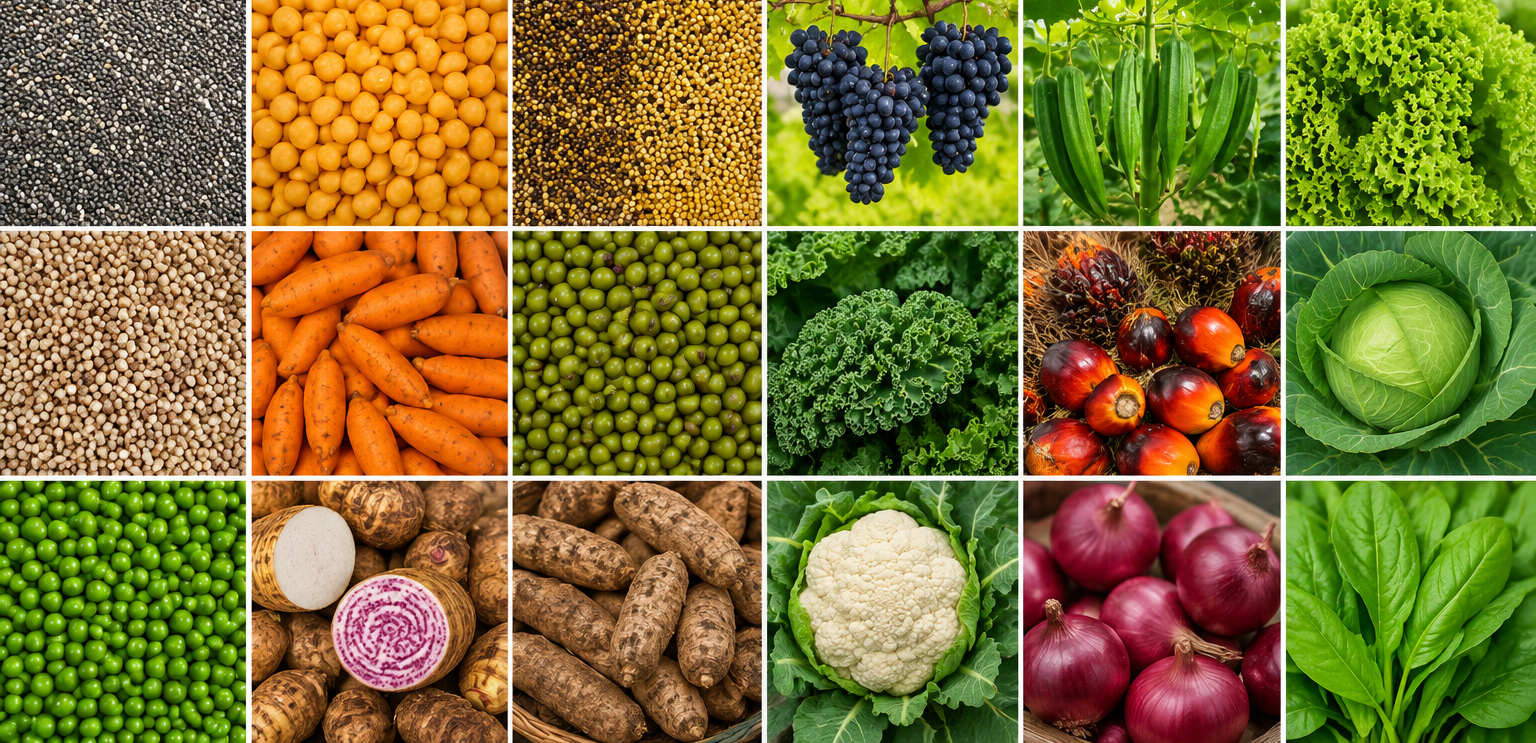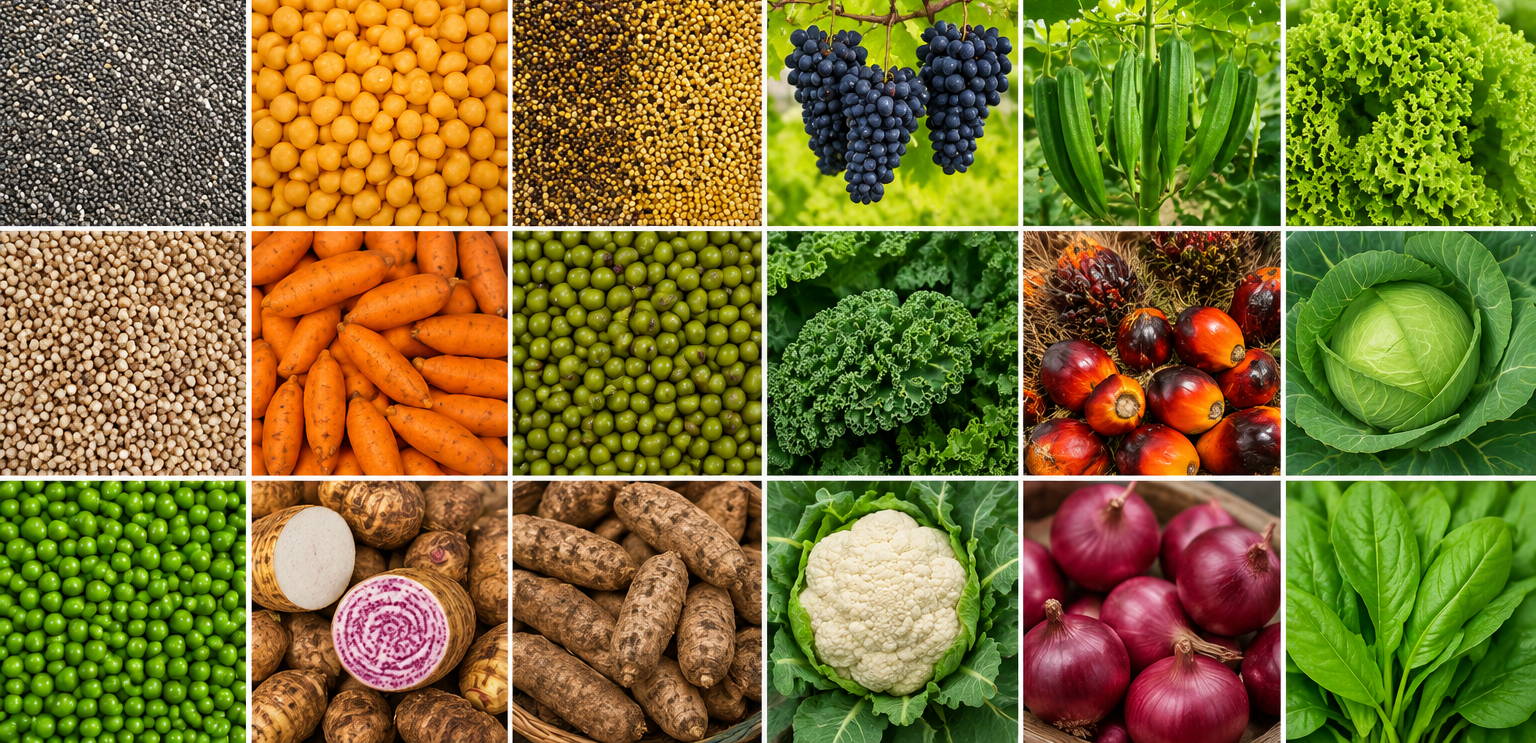
Indigenous food crops could play a critical role in improving nutrition security and building resilient food systems across the Global South, but limitations in processing, preservation, market integration and policy support continue to hinder their widespread utilization, according to a new KNUST-Led editorial.
The editorial, published in Frontiers in Sustainable Food Systems, was led by Dr. Abena Boakye of the Department of Food Science and Technology in collaboration with researchers from South Africa and Malawi.
In addition to her role as lead author, Dr. Boakye is an editor of a companion e-book arising from the same research topic, extending the reach of the work beyond the journal publication.
The publication synthesizes evidence from 12 studies examining how indigenous food crops can contribute to sustainable food and nutrition security amid growing pressures from climate change, population growth and urbanization.
The authors argue that indigenous food crops possess significant advantages, including broad genetic diversity, resilience to environmental stresses and high nutritional value, making them important resources for addressing food insecurity in developing regions.
Drawing on findings from studies across Africa and other parts of the Global South, the editorial highlights how improved processing methods can enhance the nutritional quality, safety and consumer acceptability of crops such as sorghum, cowpea, pigeon pea and cassava.
The studies show that innovations in processing and product development can increase utilization while creating opportunities for value addition and commercialization.
The publication also emphasizes the importance of preservation technologies in reducing post-harvest losses and maintaining nutritional quality.
Researchers found that combining traditional knowledge with modern preservation approaches could improve food availability throughout the year and support more sustainable food systems.
However, the authors note that technological advances alone will not be sufficient. Structural challenges, including inadequate infrastructure, weak market linkages, limited consumer awareness, poor policy support and inequalities within agricultural value chains, continue to restrict the broader adoption of indigenous crops.
According to the editorial, overcoming these barriers will require coordinated efforts involving researchers, policymakers, industry stakeholders and local communities.
The authors advocate for consumer-driven innovation, stronger value chains, investment in processing technologies and supportive policies that enable indigenous food crops to move from underutilized resources to mainstream components of national food systems.
The editorial concludes that scaling up the use of indigenous food crops represents a practical pathway toward achieving food and nutrition security while strengthening resilience to future environmental and socioeconomic shocks.
The publication underscores KNUST's growing contribution to global research on sustainable food systems and nutrition, while highlighting the Department of Food Science and Technology's commitment to advancing evidence-based solutions to food security challenges.