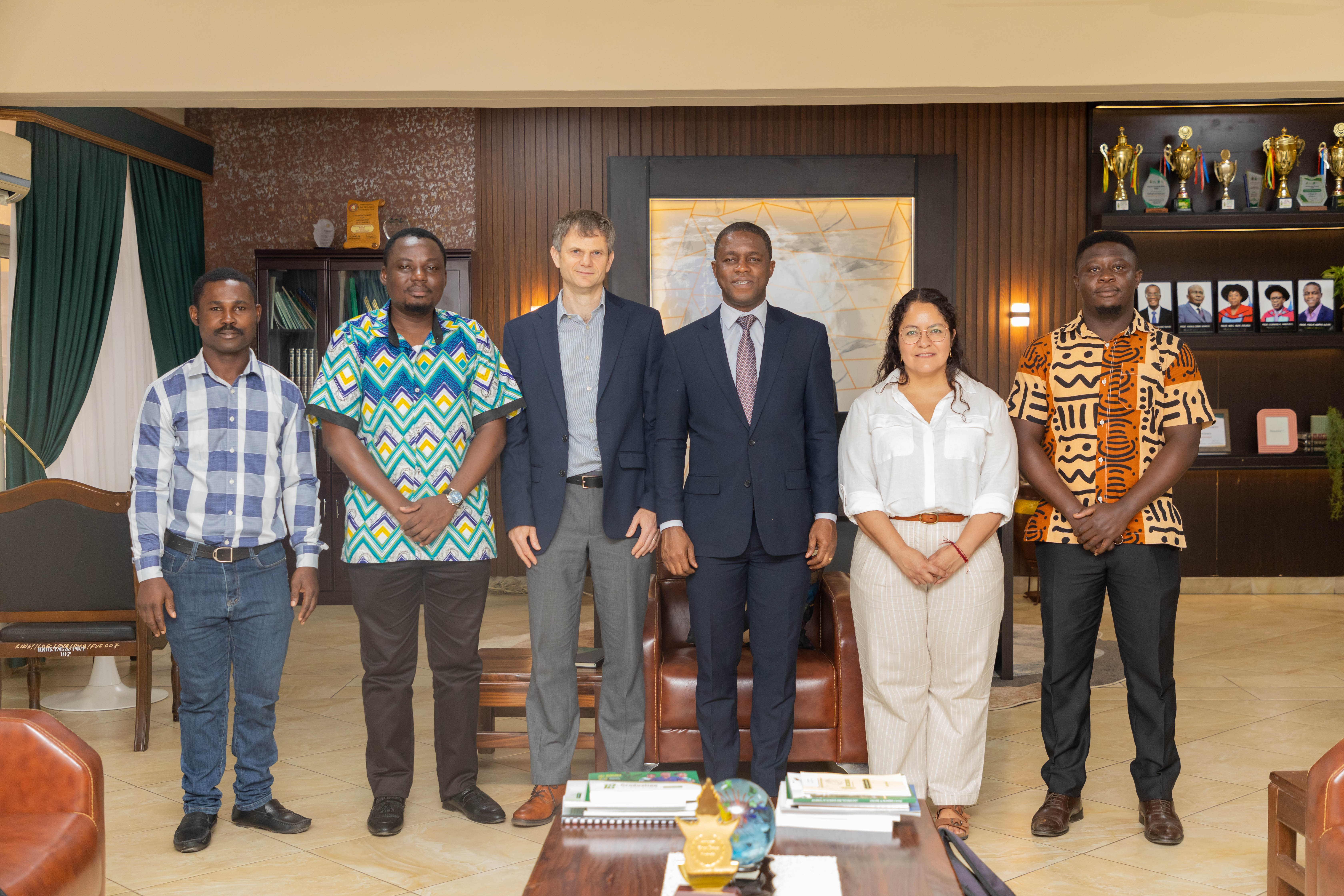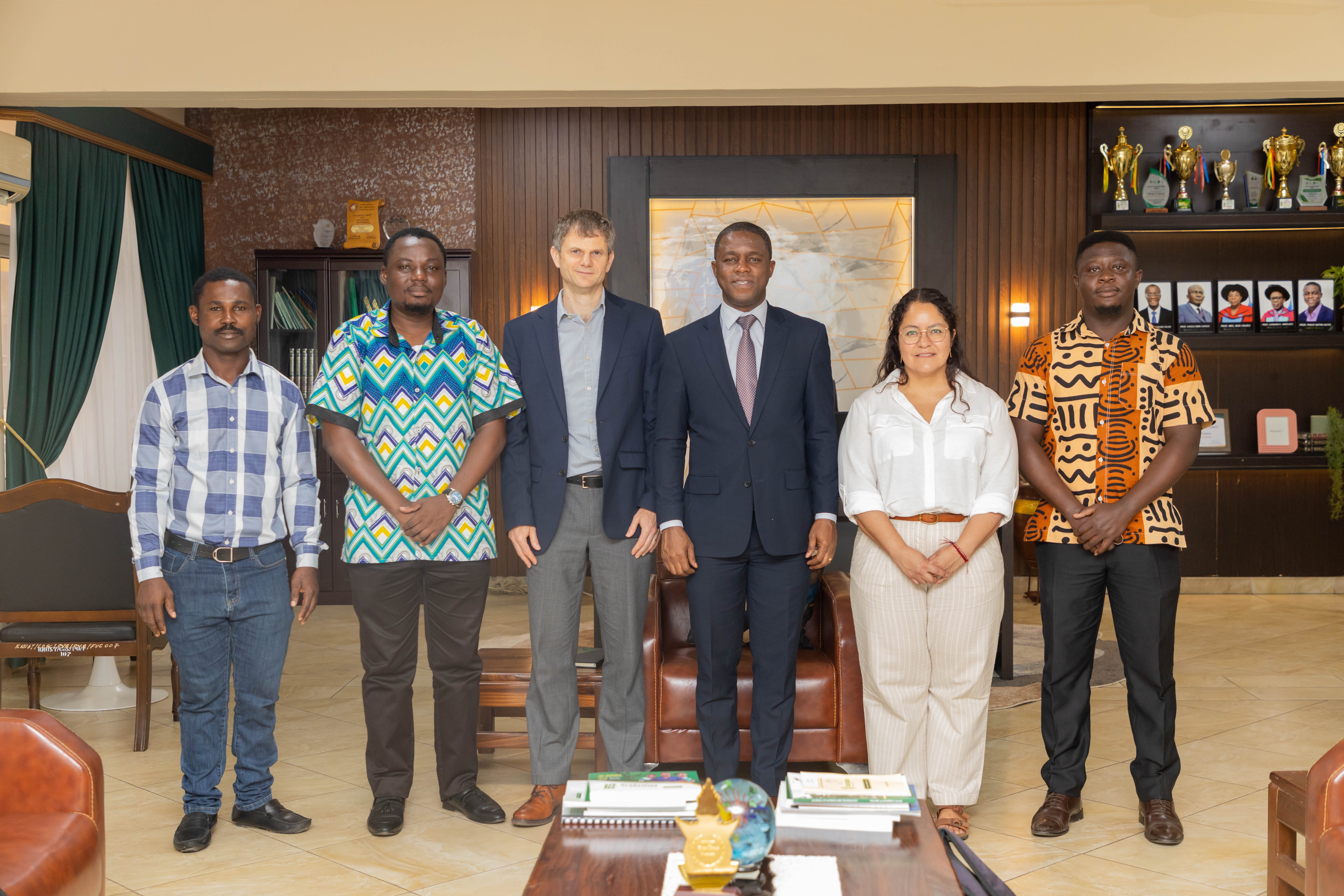
Prof. Philip Antwi-Agyei, Provost of the College of Science at the Kwame Nkrumah University of Science and Technology (KNUST), has received a delegation from the University of Leeds, the Ghana Meteorological Agency (GMet), and Climate Diagnostics, Air Quality and Artificial Intelligence (CDAI) Lab as activities under the Developing Capacity for Storm and Lightning Early Warning for the Energy Sector in Ghana (EW4Energy) project enters a new phase of implementation.
The engagement provided an opportunity for the partners to update College leadership on progress made under the project, discuss ongoing research activities, and explore opportunities for strengthening collaboration in weather forecasting, climate resilience and artificial intelligence-driven early warning systems
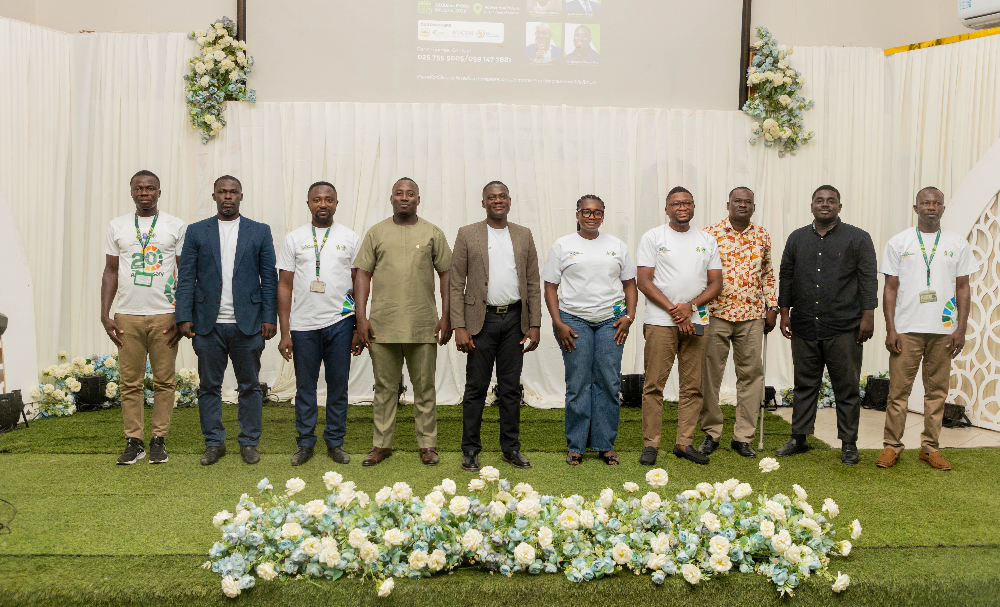
The courtesy call formed part of the 2026 EW4Energy programme, which runs from June 3 to 12 and features two key activities: the Second Annual Project Meeting and the Nowcasting Testbed.
While the annual meeting, held from June 3 to 5, focused on reviewing project progress and scientific developments, the Nowcasting Testbed, taking place from June 7 to 12, is evaluating advanced weather forecasting systems under real-time operational conditions.
Funded by UK Research and Innovation (UKRI) through the Africa-UK Physics Partnership Programme, EW4Energy is a two-year international research project aimed at strengthening Ghana's capacity to predict severe storms and lightning.
These weather events pose significant risks to the energy sector and other critical infrastructure, making accurate and timely forecasts essential for preparedness and response.
The project, which began in March 2025, is led by the University of Leeds in collaboration with KNUST, the University of Cape Coast, the Ghana Meteorological Agency, and the UK Centre for Ecology and Hydrology.
One of the highlights of this year's programme is the Nowcasting Testbed, an operational exercise designed to assess the performance of next-generation artificial intelligence-based forecasting tools.
The initiative is expected to generate valuable evidence on the strengths and limitations of forecasting systems and support the development of more accurate and reliable short-range weather prediction tools for Ghana and the wider African region.
During the meeting, the delegation also highlighted ongoing collaborations between KNUST, the University of Leeds, GMet and other international partners. These include the Gates Foundation-funded CUMULUS project, which seeks to strengthen sub seasonal-to-seasonal forecasting, and the Multi-Hazard Research Network (MHRN), funded by the United Kingdom's Foreign, Commonwealth and Development Office (FCDO), which aims to improve evidence-based decision-making before, during and after crisis.
The Provost, Prof. Philip Antwi-Agyei commended the partner institutions for their continued collaboration and reaffirmed the College of Science's commitment to supporting interdisciplinary research and international partnerships that address real-world challenges through science and innovation.