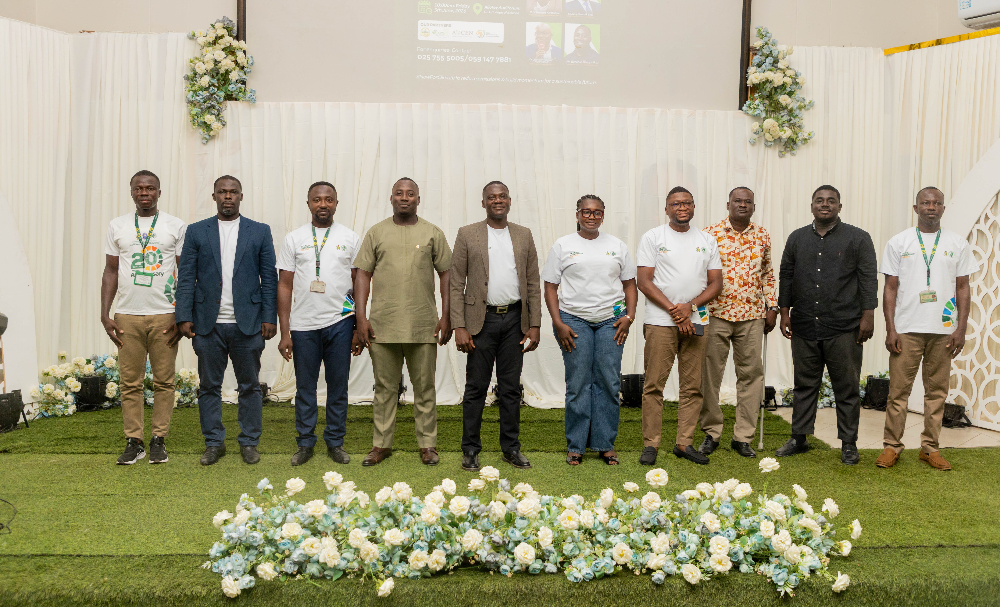
The Department of Environmental Science at the College of Science, KNUST in collaboration with its student associations, commemorated World Environment Day 2026 with a seminar that brought together environmental experts, academics, students and practitioners to discuss climate resilience, environmental governance and sustainable development.
Held under the global theme, “Inspired by Nature. For Climate. For Our Future,” the event provided a platform for dialogue on the growing environmental challenges facing Ghana and the world, including climate change, biodiversity loss, pollution and threats to food and water security.
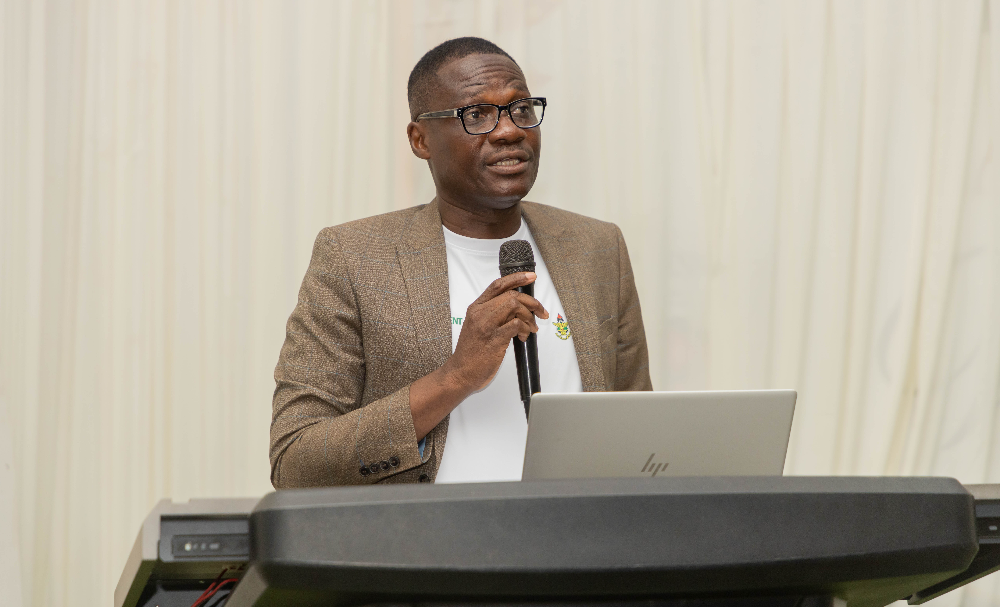
Speaking at the seminar, the Head of the Department of Environmental Science, Professor Bernard Fei-Baffoe, described the occasion as an opportunity to reflect on humanity's responsibility to protect and restore the environment.
He noted that environmental challenges have become increasingly visible across the globe and emphasized the need for collective action to address issues such as changing rainfall patterns, flooding, land degradation and rapid urbanization.
Professor Fei-Baffoe urged participants to actively engage in discussions and become ambassadors of environmental sustainability and climate resilience, stressing that environmental protection is a shared responsibility that requires action at both individual and institutional levels.

Delivering the keynote address, the Ashanti Regional Director of the Environmental Protection Authority (EPA), Dr. Jackson Adiyiah Nyantakyi, called for a shift in public attitudes toward the environment, describing it as a fragile system that requires deliberate protection and sustainable management.
He highlighted Ghana's climate policies and environmental protection initiatives, including the implementation of the National Climate Change Policy, updated Nationally Determined Contributions under the Paris Agreement, and measures to strengthen environmental governance and enforcement.
Dr. Nyantakyi also challenged universities to intensify research into local climate vulnerabilities and provide evidence-based solutions to inform policymaking.
Representing the Provost of the College of Science, Professor Philip Antwi Agyei, climate scientist Dr. Frank Baffour Ata highlighted the realities of climate change in Ghana, noting that rising temperatures, changing rainfall patterns and increasing extreme weather events are already affecting livelihoods, agriculture and ecosystems across the country.
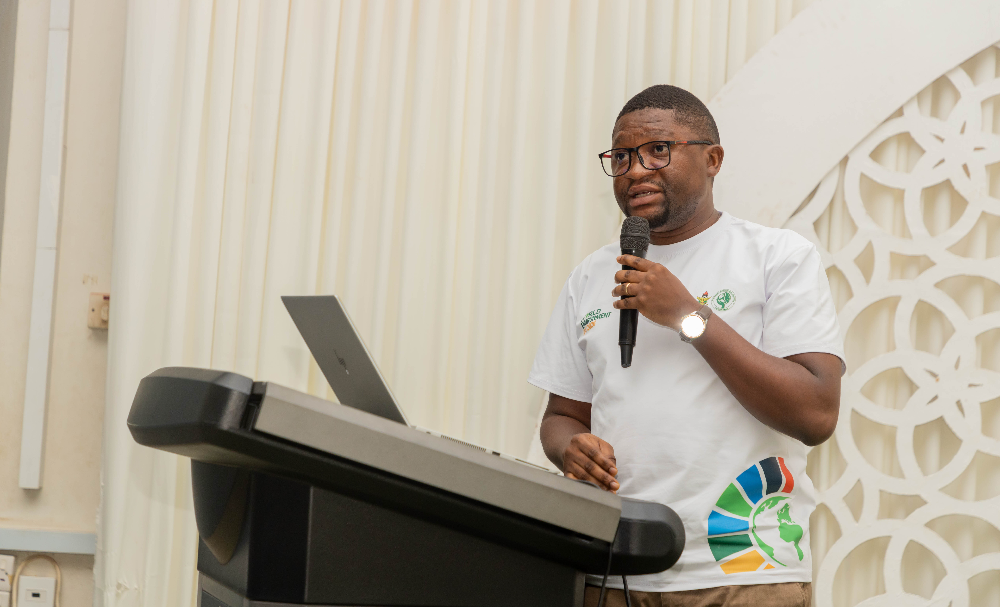
He explained that climate projections point to continued warming, greater rainfall variability, more frequent floods and droughts, and rising sea levels, all of which pose significant risks to public health, food security and economic development.
He called for stronger collaboration among researchers, government agencies, civil society organizations and local communities to scale up climate adaptation initiatives. He also underscored the importance of youth participation, innovation and community engagement in building resilience and advancing climate action in Ghana.
He urged participants to view resilience not merely as survival, but as the ability to thrive in a changing world.
Mr. Theophilus Berchie of the Ghana Hydrological Authority underscored the need to draw inspiration from nature in addressing climate challenges and safeguarding the future.
He further outlined ongoing interventions to combat illegal mining, restore degraded forests, protect water bodies and improve flood management systems, while urging citizens, particularly students, to champion responsible environmental practices and contribute to building a more sustainable and climate-resilient Ghana.
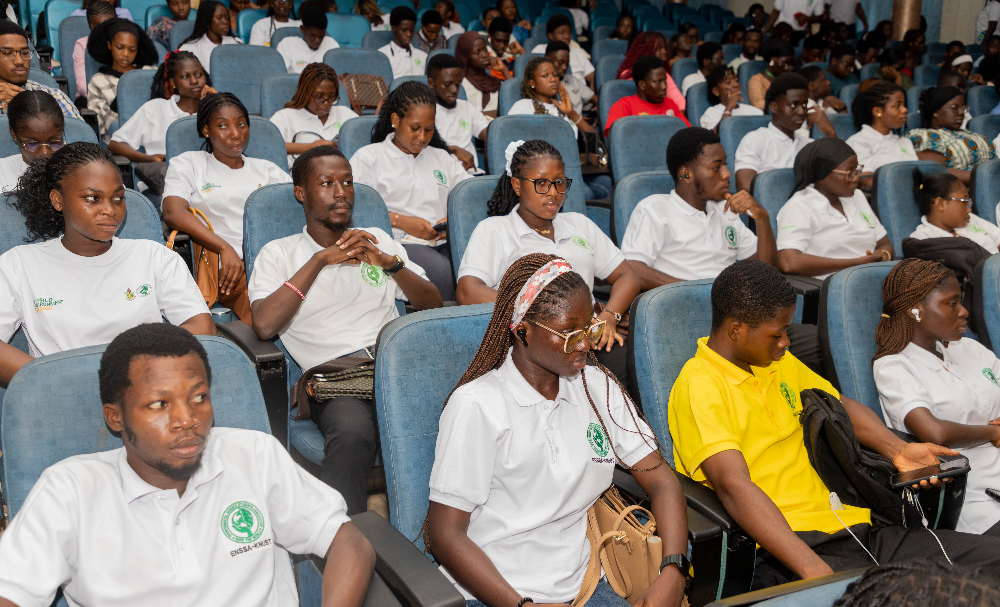
The President of the Environmental Science Students’ Association (ENNSA) highlighted ENNSA’s commitment to environmental stewardship, noting that the association has planted over 500 trees in the past two years, undertaken land restoration initiatives, promoted climate literacy in schools and communities, and spearheaded plastic waste collection projects on campus.
He urged students to recognize their role as agents of change, emphasizing that small actions such as tree planting, responsible waste management and environmental education can contribute significantly to building a sustainable future.