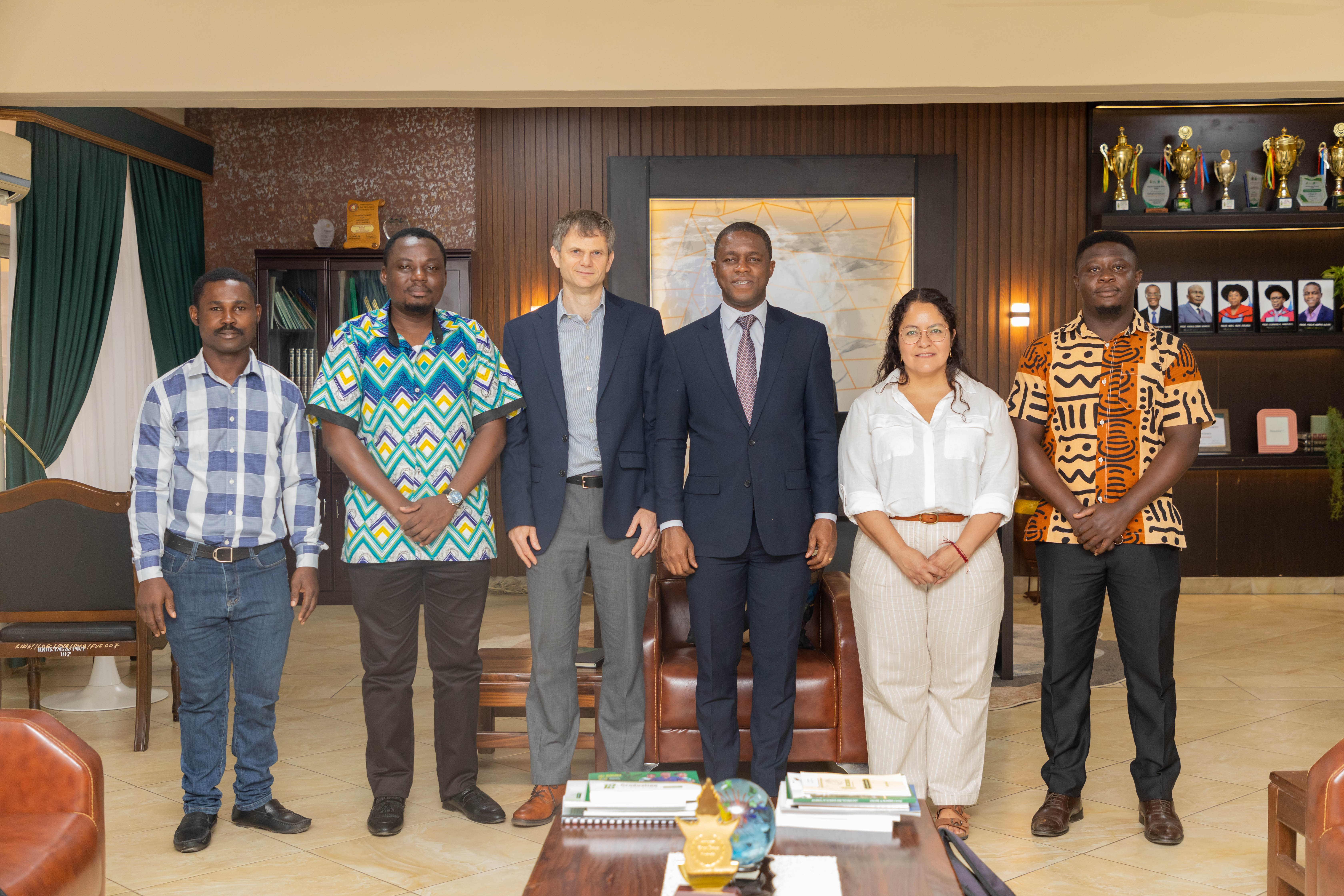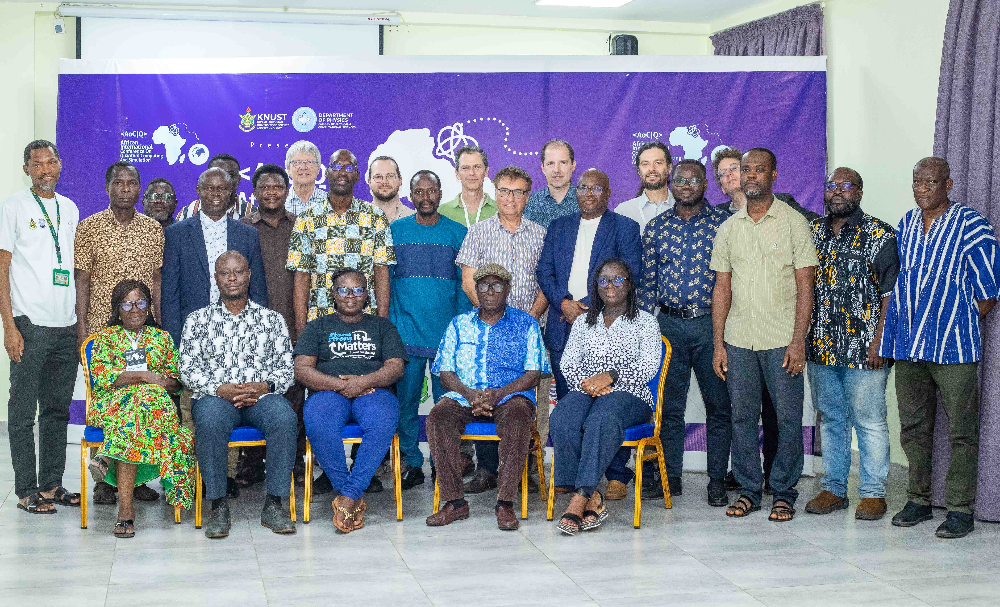
Ghanaian and international scientists meeting on the sidelines of the African International Conference on Quantum Computing and Simulation (AOCQ) have begun discussions on steps towards establishing a proposed African Centre of Excellence for Quantum Computing and Simulation.
The stakeholder meeting brought together representatives from Ghanaian universities, research institutions, regulatory bodies and industry alongside experts from Europe and southern Africa, allowing participants to compare national strategies, funding models and institutional approaches to advancing quantum science.
The discussions focused on how Ghana could draw lessons from existing quantum initiatives abroad, while tailoring its own approach to local research priorities and development needs.
They explored avenues for institutional collaboration, partnerships with industry and ways to mobilise sustainable funding for quantum research and infrastructure.
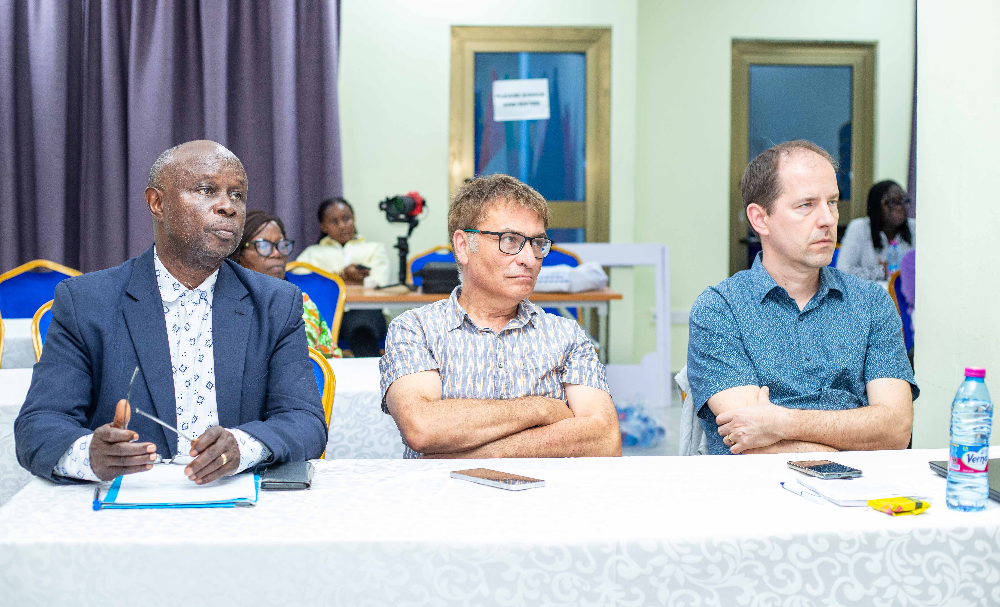
Stakeholders also examined priority research fields and application areas, outlining how quantum technologies could support national development goals, including data-intensive modelling, precision measurement and advanced simulations.
Concerns were raised about declining interest in physics among young students, with participants stressing the need for early exposure, mentorship and clearer career pathways to attract more students into the field.
The meeting also highlighted challenges faced by Ghanaian researchers, particularly limited access to sponsorship and long-term research funding.
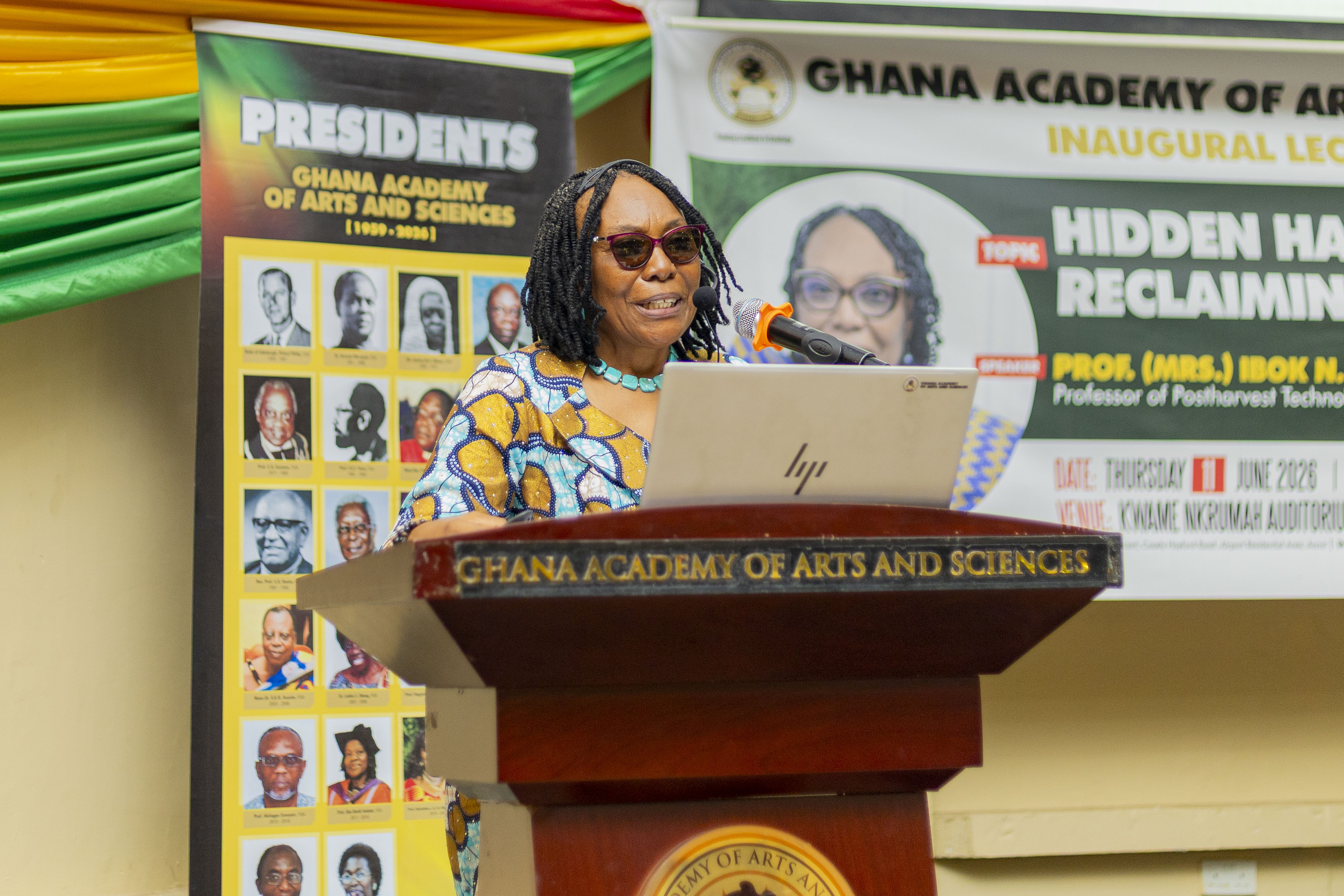
Former president of the Ghana Academy of Arts and Sciences, Prof. Aba Bentil Andam, said building a durable quantum ecosystem would require patience and sustained investment. She called on government agencies and funding bodies to invest in facilities and research platforms, and to create avenues for international collaboration.
Head of the Physics Department at KNUST, Prof. Francis Ampong, said collaboration was critical to translating Ghana’s theoretical strengths into practical outcomes. “Through partnerships, the vision becomes clearer and more achievable,” he said.
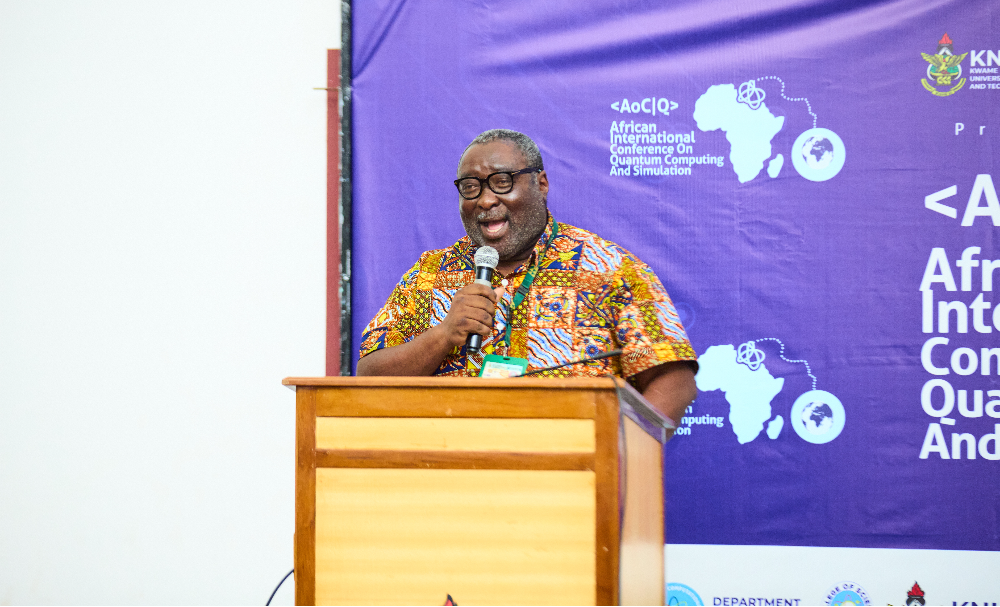
From the international delegation, Prof. Thomas Konrad of the University of KwaZulu-Natal called for stronger government support, including funding, infrastructure and policy frameworks. He said long-term coordination would be essential to sustaining progress in quantum science on the continent.
Speaking at the session, Dr. Henry Martin, coordinator of the Mathematical and Computational Physics Unit at the Department of Physics, urged local institutions to strengthen partnerships. He encouraged universities to identify niche strengths and collaborate strategically with regional and international partners.
Researchers at the meeting stressed that Ghana’s interest in quantum science is not simply about keeping pace with global trends, but about applying advanced computation to develop precise solutions to the country’s own economic and technological challenges.
The AOCQ conference continues this week with intensive training sessions for student participants, aimed at building foundational skills and strengthening the next generation of quantum researchers.
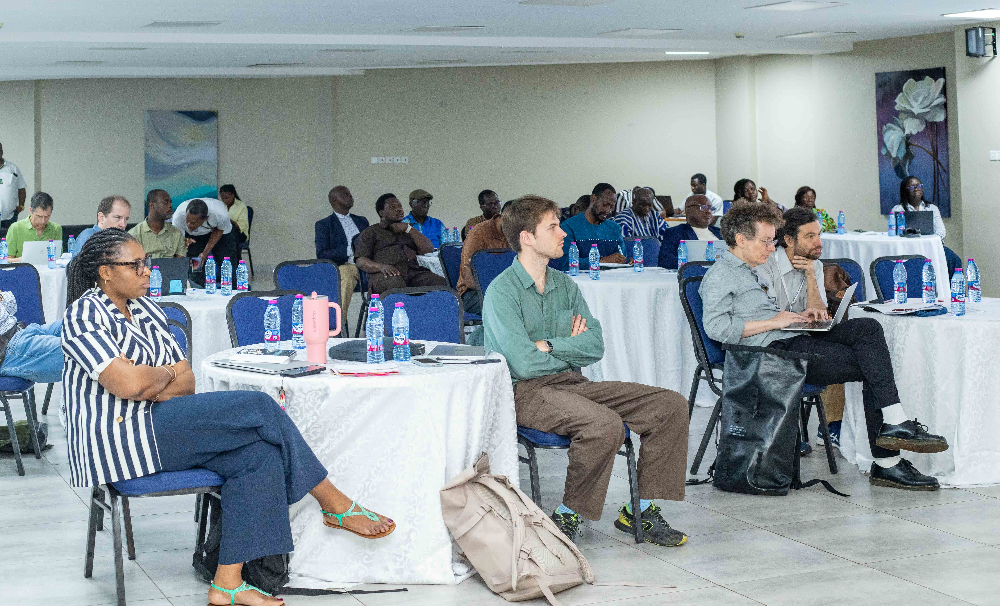
Ghanaian Stakeholders included Dorcas Addo; Maame Adwoa Bentumah Animpong of the Council for Scientific and Industrial Research (CSIR); Kwabena Asiamah of Ghana Water Limited; Rabiu Musah from the University of Development Studies; Jude Simons Bayor of the C. K. Tedam University of Technology and Applied Sciences; Michael Armah of the Metrology Directorate at the Ghana Standards Authority; Daniel Ani Dei Hanson of the Testing Directorate of the same authority; Charles Lloyd Yeboah Amuah of Institute of Physics Ghana at the University of Cape Coast; and Peter Nimbe of the Department of Computer Science at the University of Energy and Natural Resources.
International stakeholders included Tommaso Calarco of Forschungszentrum Jülich and Andreas Buchleitner of University of Freiburg; Thomas Konrad of the University of KwaZulu-Natal; Eric Brunner of Quantinuum; Daniel Urban and Annika Urban of the Fraunhofer Institute IWM; Leonardo Guidoni and Dibyajyoti Chakravarti of the CBBC Group at the University of L'Aquila; Dieter Meschede of University of Bonn; and Yaseer Rashid Revez Omar from Portugal.