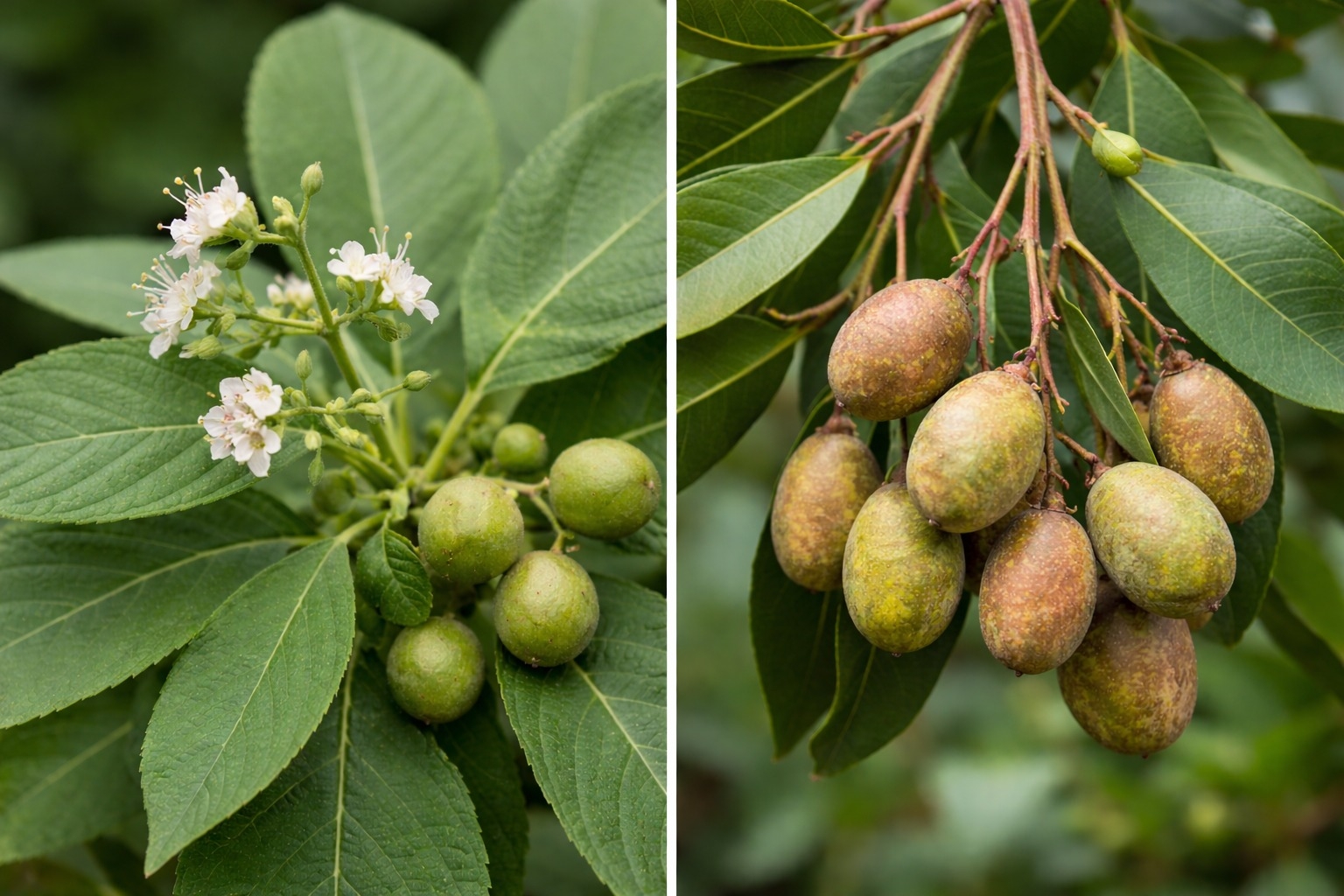
A study led by students at the Department of Chemistry at the College of Science, KNUST has found that extracts from two plants used in traditional Ghanaian medicine could help fight parasitic worm infections affecting humans and livestock.
The researchers found that extracts from the bark of a medicinal tree commonly used in herbal remedies (Vitex grandifolia) were able to paralyse and kill worms within minutes in laboratory tests.
At higher concentrations, the bark extract caused paralysis in about six minutes and death in roughly 17 minutes in worm models used for the study. The effect approached that of levamisole, a commonly used anti-worm drug.
The researchers also studied another medicinal plant, Parinari congensis, which showed strong but slightly slower anti-worm activity.
The study was conducted by Kwadwo Owusu, Sharifa Fatao and Michael Konney Laryea, students from the department under the supervision of Professor Lawrence Sheringham Borquaye.
Parasitic worm infections, known as helminth infections, affect more than 1.5 billion people worldwide and also reduce livestock productivity by affecting animal health, growth and milk production.
Scientists say growing resistance to existing drugs has increased the need to search for new treatments, including those derived from plants.
Chemical analysis of the plant extracts revealed natural compounds such as sterols and fatty acids that may disrupt the worms’ nervous systems. Computer modelling in the study also showed that some of these compounds could bind strongly to proteins essential for parasite survival.
The researchers said the findings support the long-standing use of the two plants in traditional medicine and highlight their potential as sources of new anti-worm treatments.
However, they cautioned that further studies involving animals and additional work to develop suitable drug formulations will be needed before the extracts can be developed into medicines.
The study also contributes to efforts under the United Nations Sustainable Development Goal 3, which promotes good health and well-being, by exploring plant-based approaches to help combat drug-resistant parasitic worms.