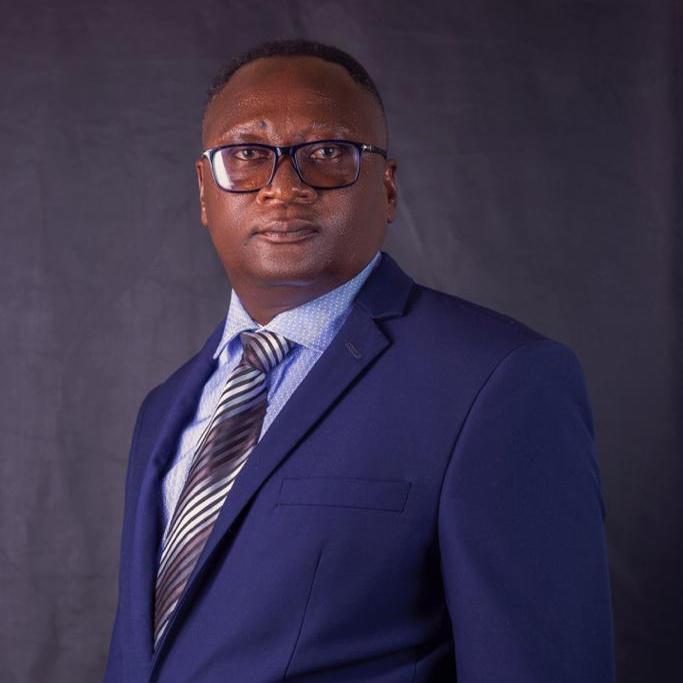
When Dr. Cyril D. Boateng was a boy, mornings in his home had a soundtrack. His father would rise before dawn, shuffle to an old radio, and tune into the BBC World Service. The voices crackling through that speaker opened a world the young boy had never seen: foreign lands, global news, big ideas.
It turned him, as he puts it, into an "information junkie."
So, when a BBC journalist called to interview his research team, the moment carried a weight that went far beyond professional achievement.
"To say I was excited would be a massive understatement," he wrote, reaching for a Ghanaian expression to capture what mere English could not "Asem Papa, Oye" loosely translated as good news.
Dr. Cyril leads a project that sits at a fascinating crossroads, using cutting-edge geophysics technology to dig into Ghana's colonial past. The field is called archaeogeophysics, and in simple terms it means using high-tech scanning equipment to find buried objects and structures.
His team has been working at a colonial fortification in Ghana, where their equipment detected and recovered musket balls, the ammunition of soldiers from a long-gone era, hidden beneath the earth.
The project, cheekily titled "Musket & Megahertz: A Geophysical Detective Story" is now the subject of a travelling exhibition currently running at the KNUST Museum.
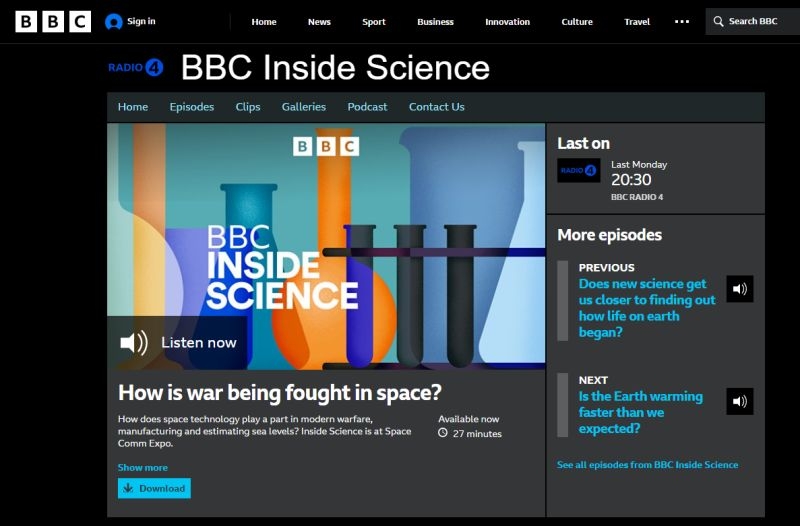
The BBC's Inside Science programme, one of the broadcaster's most respected science shows, featured the team's work in a recent episode. Dr. Cyril's segment begins around the 16-minute mark, sandwiched, he notes with obvious delight, between a discussion on how wars are now being fought in space.
"It's a surreal experience," he said, "to hear our work nestled right in the middle of a programme discussing war in space, but I guess it's the right place to showcase how we are bringing the past to life."
Beyond the personal milestone, Dr. Cyril says the work carries a deeper purpose, recovering stories that were buried, sometimes literally, by colonialism.
Ghana's forts and castles are among the most visible scars of that era. But much of what happened in and around them remains undocumented. His team's technology is helping to change that, uncovering physical evidence of events that written records either ignored or erased.
"We are using science to uncover the hidden chapters of our history," he said.
The research was made possible by the SG-NAPI award, funded by the German Ministry of Education and Research (BMBF) through TWAS, The World Academy of Sciences.
Dr. Cyril acknowledged Dr. Alex Lathbridge and the BBC team to give the project a global platform.
The "Muskets and Megahertz" exhibition remains open at the KNUST Museum, where visitors can see firsthand how science is being used to tell Ghana's story in its own voice.
Just like a boy who once listened to a radio at dawn and grew up to become the story being told.
The full episode is available on Spotify and major podcast platforms.