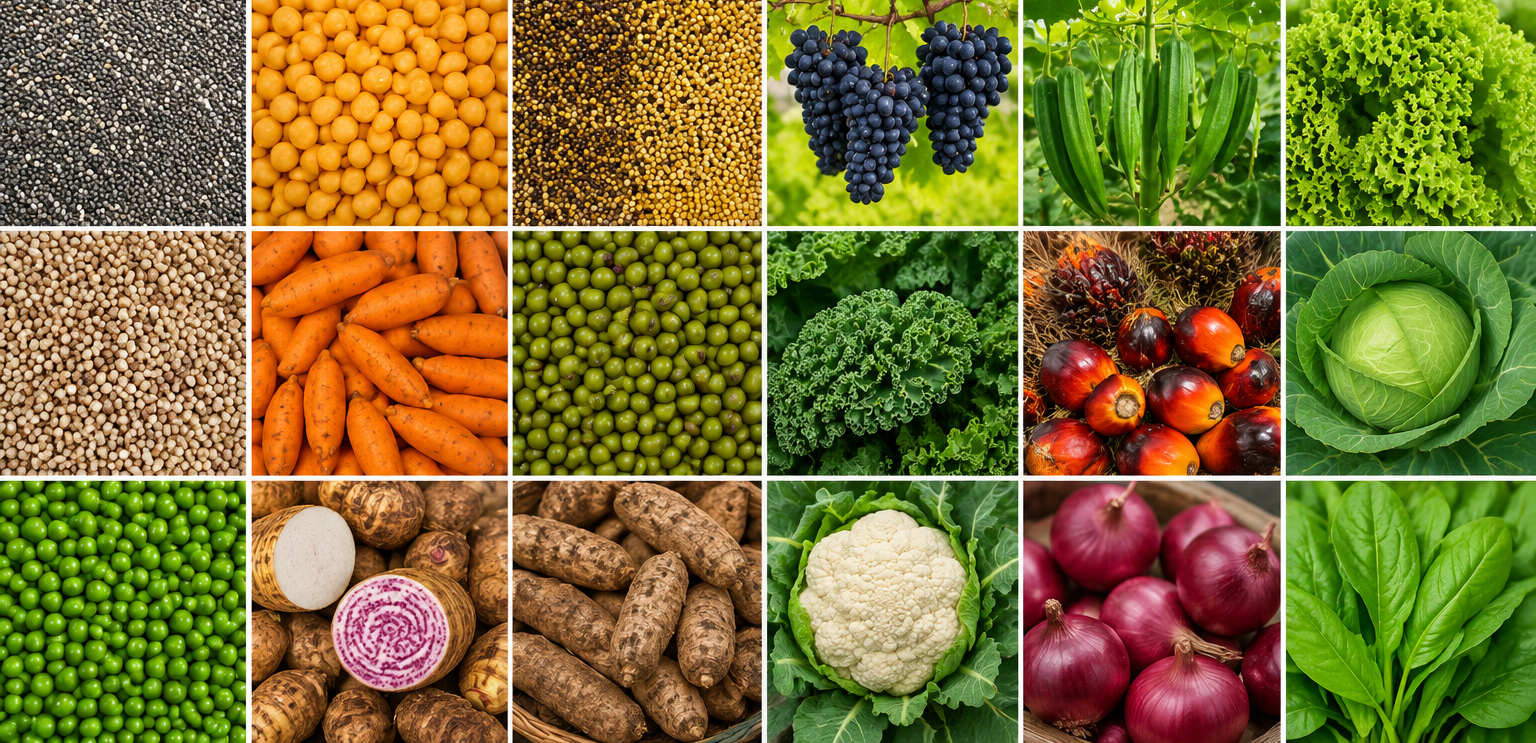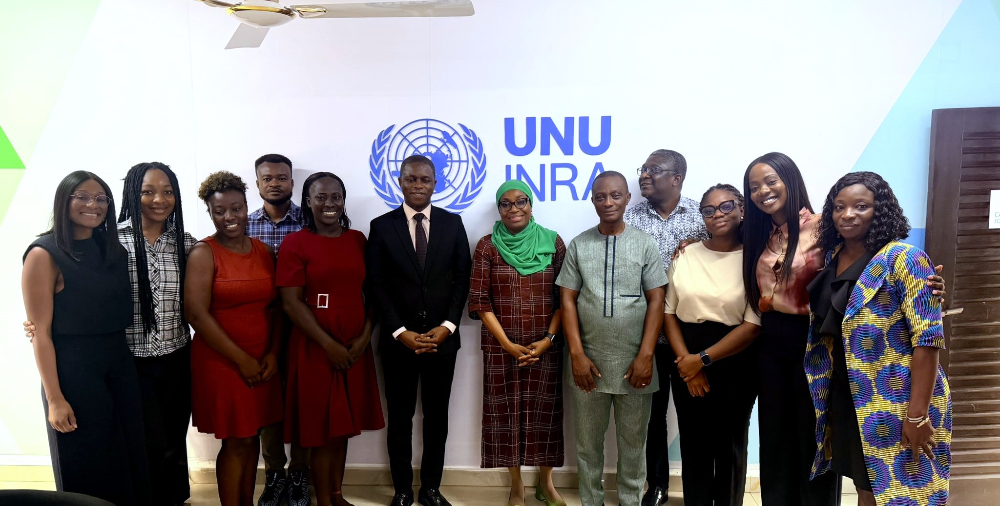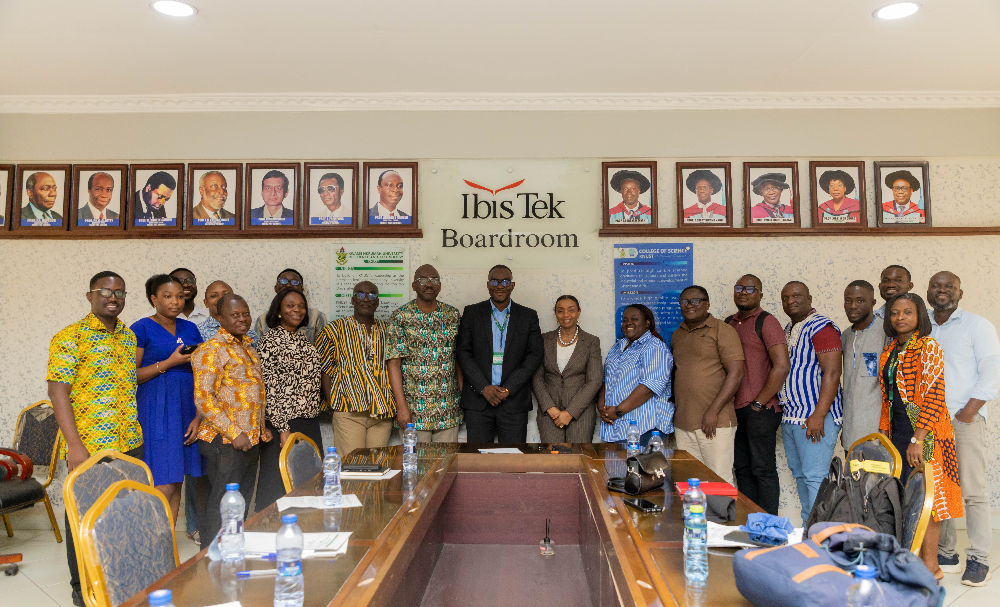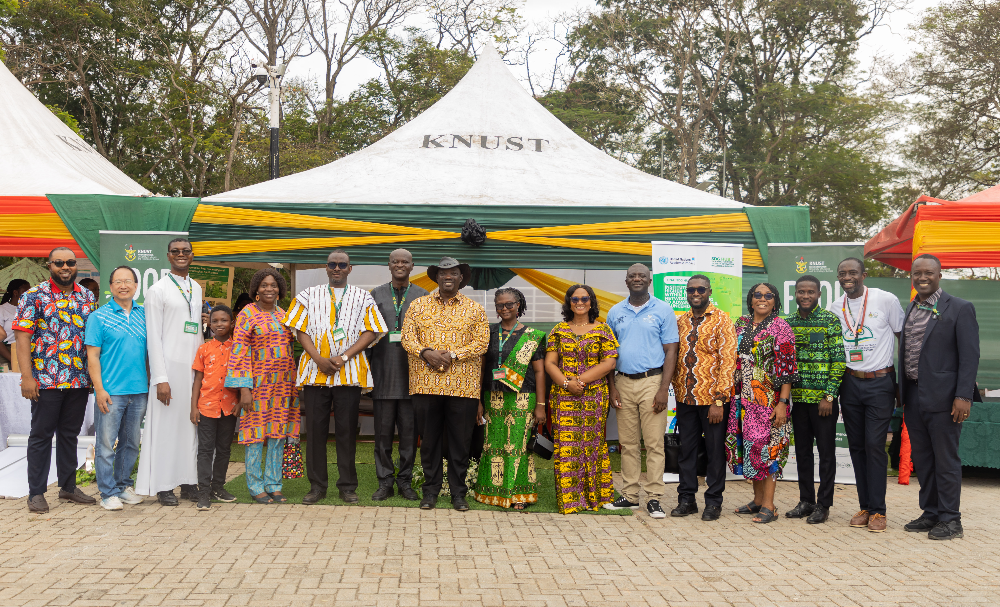
Food systems for sustainable development took focus as the Kwame Nkrumah University of Science and Technology (KNUST) opened its 2026 Food Festival, with university leaders calling for stronger investment in indigenous foods to address hunger and long-term food security.
Speaking at the event, Professor Philip Antwi-Agyei, Provost of KNUST’s College of Science, said food insecurity should not be viewed solely as a problem of availability, but also of access, affordability, nutrition, sustainability and resilience.

The festival, held under the theme “Our Heritage on the Plate: Indigenous Foods for a Hunger-Free Future,” brought together academics, students and professionals to reflect on the role of local food systems in national and continental development.
Professor David Asamoah, Pro Vice-Chancellor of KNUST, urged increased investment in indigenous food systems as a pathway towards achieving Zero Hunger.
Representing the Vice-Chancellor, he said indigenous foods carry deep knowledge that remains relevant to contemporary global challenges.

Prof. Asamoah said KNUST’s role as the United Nations Academic Impact SDG 2 (Zero Hunger) Hub Vice-Chair for Teaching and Education for the 2025–2027 period underscored the university’s responsibility to educate, innovate and inspire action towards sustainable food systems.
Professor Emmanuel Ohene Afoakwah, President of the Ghana Food Science and Technology Association and Vice-Chancellor of Ghana Communication Technology University, said food insecurity persists in Ghana despite its biodiversity and food culture.

He attributed the challenge to broken food systems, weak value chains and the under-prioritisation of indigenous knowledge, urging stakeholders to pursue solutions rooted in local resources and expertise.
Prof. Afoakwah also called on universities to ensure research translates into practical outcomes and encouraged students to help reposition indigenous foods as relevant to modern lifestyles.