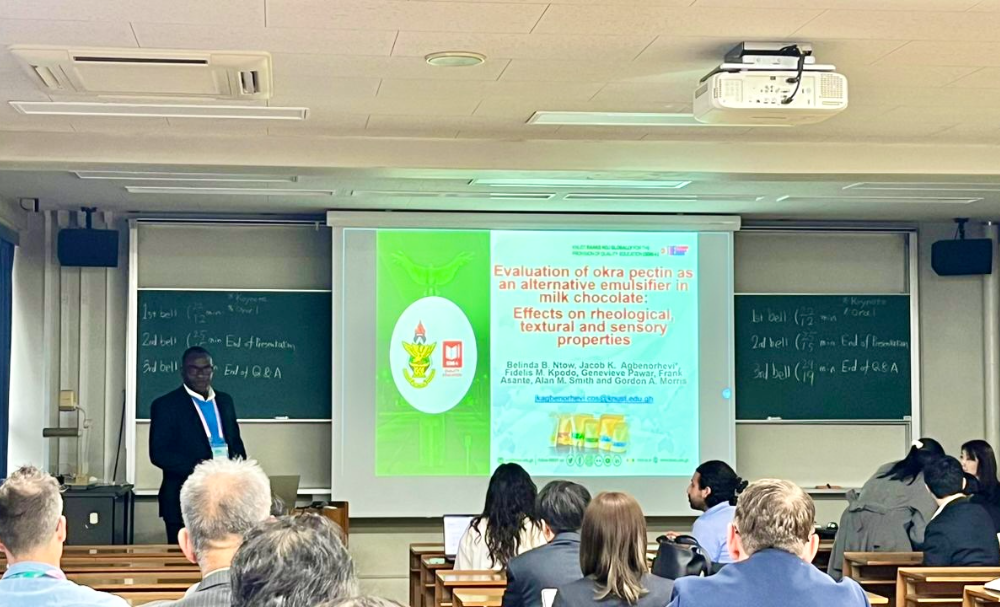
Professor Jacob Agbenorhevi, head of the Department of Food Science and Technology, KNUST is presenting innovative studies on okra-to-chocolate production and tamarind processing at the 18th International Hydrocolloids Conference in Tokyo, Japan, drawing global attention to the untapped potential of indigenous crops in sustainable food innovation.
Set against the backdrop of Tokyo’s early spring and cherry blossom season, the conference has brought together scientists, food technologists and industry leaders from around the world to explore how hydrocolloids natural substances widely used to improve texture, stability and functionality in products can shape the future of food and life sciences.
Hosted by the Japanese Society of Food Hydrocolloids from March 31 to April 2, 2026, this year’s conference is themed, “Future Hydrocolloids for Sustainable Solutions in Food and Life Sciences.”
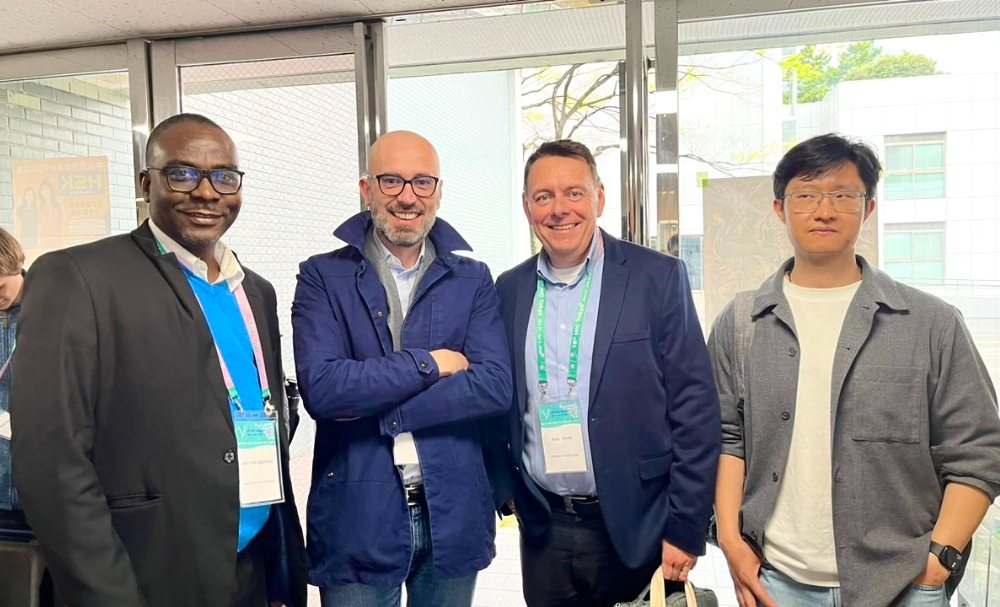
The gathering focuses on emerging solutions in functional foods, plant-based alternatives, nutrition, pharmaceuticals and personal care products, while also creating space for collaboration between academia and industry.
Within this global scientific conversation, Prof. Agbenorhevi’s work stands out for its emphasis on familiar crops with extraordinary possibilities.
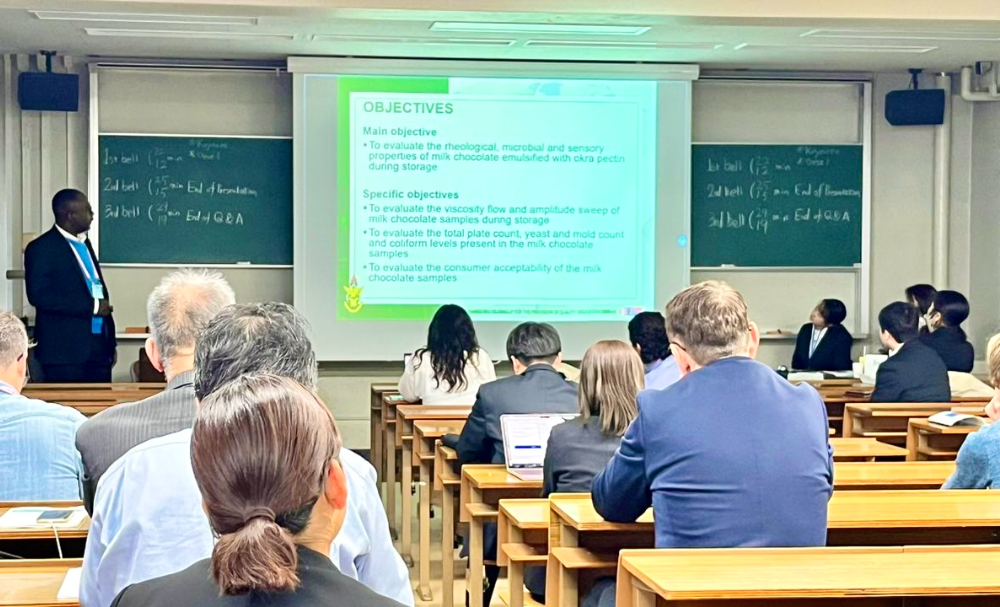
One of his papers explores how okra pectin can be used in milk chocolate production as a natural plant-based alternative to conventional emulsifiers, a development that could reduce dependence on costly imported ingredients while maintaining product quality and consumer appeal.
By moving “from okra to chocolate,” the study demonstrates how a crop widely known in local kitchens can find new relevance in advanced food manufacturing.
His second paper turns attention to tamarind, examining how improved processing methods can unlock greater value from the seed’s natural compounds for food and industrial applications.
The findings point to new ways of transforming an underutilized local resource into a high-value ingredient with global industrial relevance.
Together, the two studies reflect a broader shift in food science toward sustainable, plant-based and locally sourced solutions. They also reinforce the growing role of African crops in addressing international challenges in food innovation, nutrition and product development.
Beyond the technical sessions, the conference offers opportunities for networking, knowledge exchange and new research partnerships, allowing participants to share ideas that may shape the next generation of food systems.