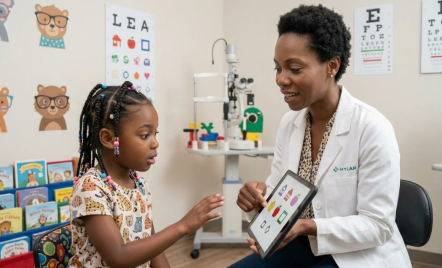

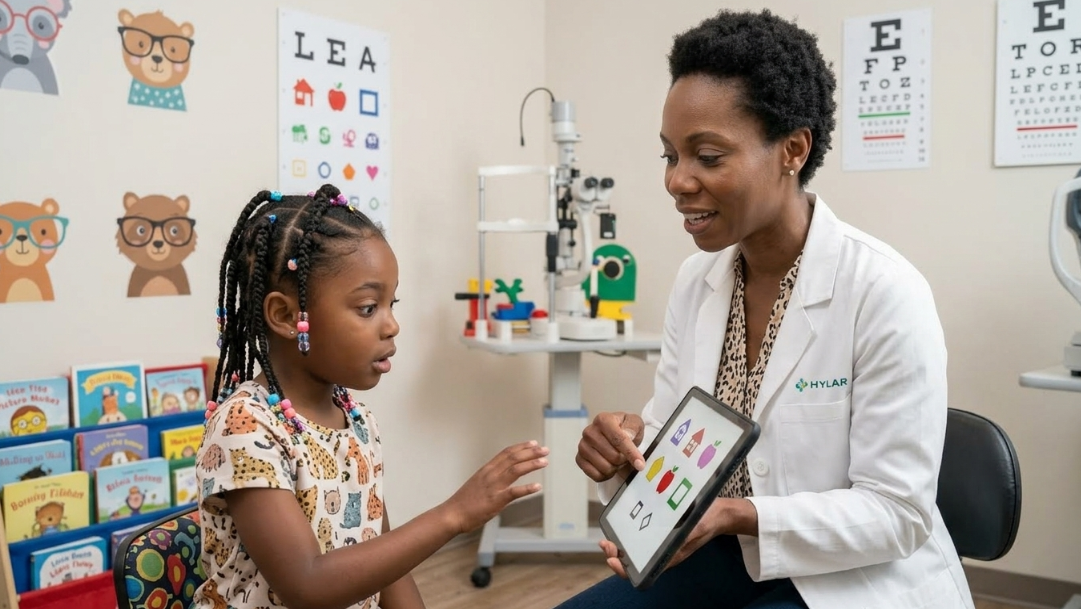
Children with visual impairment experience significantly poorer quality of life, particularly in their emotional well-being and school performance, underscoring the urgent need for early vision screening, improved clinical care and stronger school-based eye health services in Ghana, according to a new study by researchers from the College of Science, KNUST and international collaborators.
The study found that childhood visual impairment was a strong predictor of reduced health-related quality of life, with affected children reporting significantly poorer outcomes than their peers without vision impairment across physical, emotional, social and school functioning.
Researchers say the findings highlight the need to integrate routine vision screening into child healthcare and strengthen support systems in schools to improve children's overall well-being.
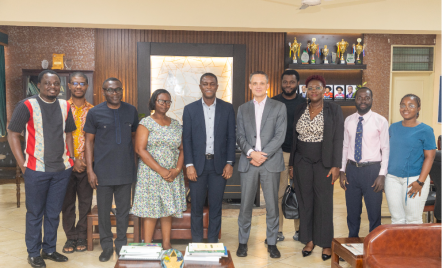
Published in Health and Quality of Life Outcomes, the study was conducted by researchers from KNUST's Department of Optometry and Visual Science under the College of Science, in collaboration with the Department of Psychology at North Carolina Agricultural and Technical State University in the United States and HM Hochschule München University of Applied Sciences in Germany.
The cross-sectional study assessed 581 children aged between two and 18 years across selected districts in Ghana's Ashanti Region using comprehensive eye examinations and the internationally validated Pediatric Quality of Life Inventory (PedsQL).
Children with visual impairment consistently recorded lower quality-of-life scores than those without vision problems. The greatest differences were observed in school functioning and emotional well-being, where children with visual impairment faced significantly greater challenges.
Statistical analysis showed that visual impairment remained a significant predictor of poor health-related quality of life even after adjusting for age, sex and other demographic factors.
The study also identified preterm birth, parental unemployment and low parental educational attainment as additional factors associated with poorer quality-of-life outcomes.
The study led by Nana Akwasi Owusu Mensah noted that while clinical eye examinations measure the severity of vision loss, quality-of-life assessments reveal the broader impact on children's daily lives, including learning, emotional development and social participation.
The researchers explained that children with visual impairment often struggle with classroom activities, participation in physical play and social interactions, challenges that may have lasting consequences for educational attainment and psychosocial development if left unaddressed.
Although the study found no significant association between quality of life and factors such as sex, ethnicity or health insurance status, the authors stressed that socioeconomic conditions play an important role in determining outcomes for children with vision impairment.
They therefore recommend strengthening early childhood vision screening programmes, expanding access to paediatric eye care and rehabilitation services, and incorporating school-based vision support into Ghana's education system.
They also advocate multidisciplinary interventions that combine clinical care with educational and psychosocial support, particularly for children born prematurely and those from socioeconomically disadvantaged households.
The researchers believe such interventions would not only improve children's health and educational outcomes but also contribute to Ghana's efforts toward achieving the Sustainable Development Goals on health, education and well-being.
Other authors of the study include Josephine Ampomah Boateng, Isaiah Osei Duah Junior, Albert Kwadjo Amoah Andoh, Godsway Commanda Osei, Sylvester Kyeremeh, Sylvia Agyekum, Gabriel Kwaku Agbeshie, Werner Eisenbarth and Kwadwo Owusu Akuffo.