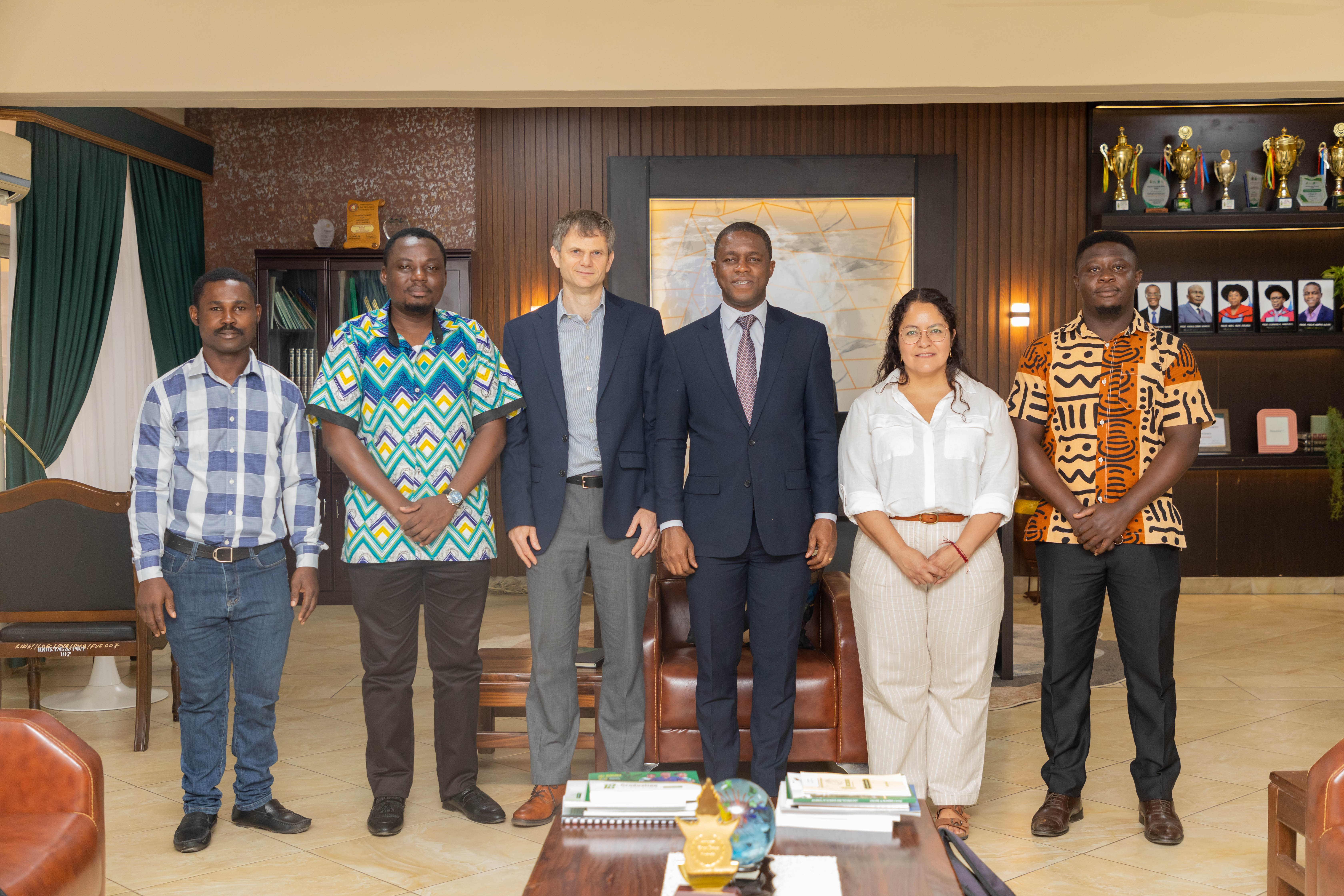
When it rains in Ghana’s cities, flooding often feels sudden and unavoidable. Roads overflow, homes are submerged and daily life is disrupted. But for ecologist Professor Alexander Kofi Anning, flooding is rarely just about heavy rain. It is often a sign that a living system has been damaged.
“Wetlands are part of nature’s design,” he explains. “They are meant to slow water down, hold it, and release it gradually.”
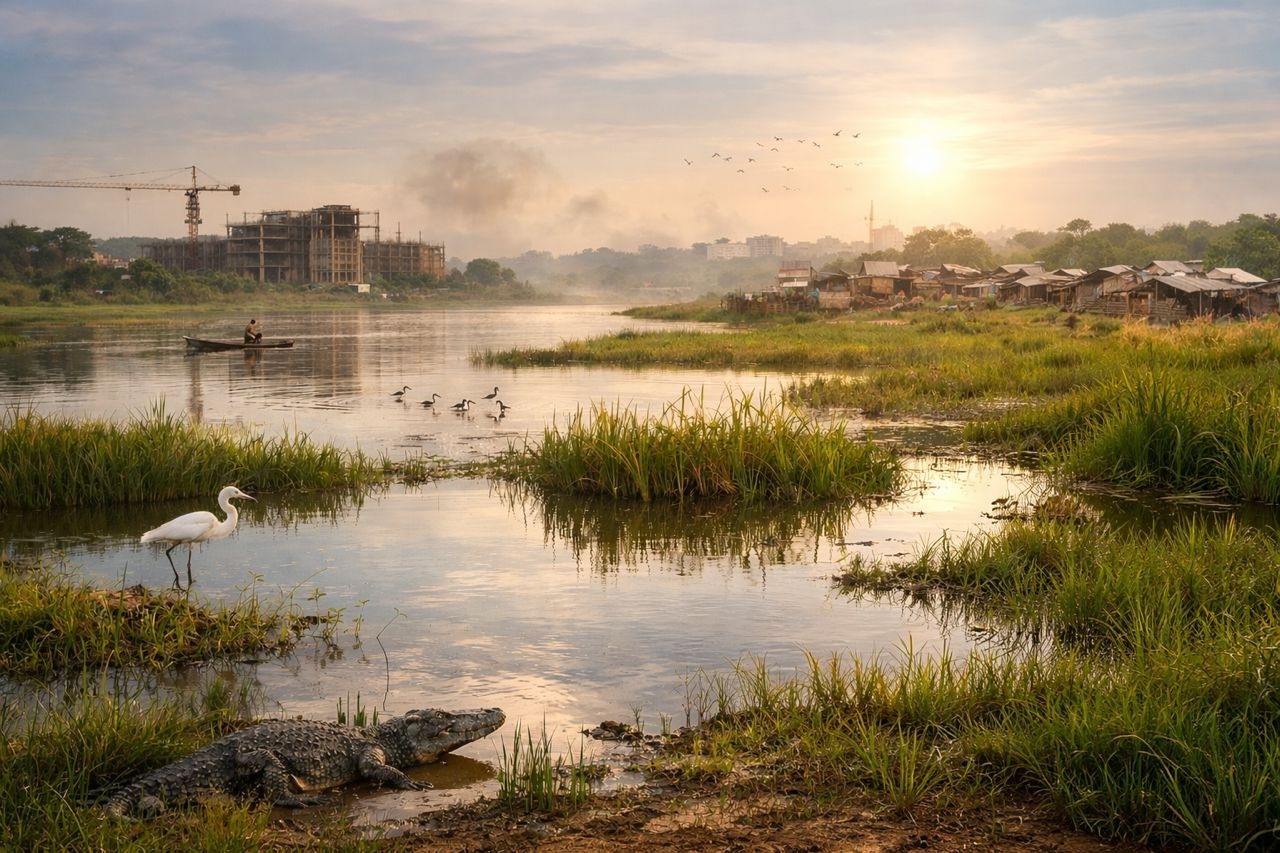
In simple terms, wetlands act like natural sponges. When rain falls, some of the water flows into rivers and streams, while a large portion settles in wetlands. There, the water is held for a time, allowing part of it to soak into the ground and recharge groundwater. This process reduces the speed and volume of water moving through cities.
“When wetlands are intact, flooding is less severe,” Prof. Anning says. “But when they are taken over for development, even a small rainfall can flood an entire city.”
As an ecologist, Prof. Anning looks at wetlands not as empty land, but as living ecosystems. They are home to aquatic organisms, plants, reptiles and microorganisms that work together to keep the environment stable. Many of these plants absorb carbon dioxide from the atmosphere, helping to regulate local temperatures and reduce greenhouse gases.
“Wetlands help control climate at the local level,” he notes. “They store carbon, retain greenhouse gases and support plant life that cools the environment.”
Yet across Ghana, wetlands are disappearing at an alarming rate. Prof. Anning identifies urbanisation and encroachment by developers as the greatest threats. Wetlands are increasingly cleared for housing, fuel stations and other infrastructure, often without proper approval.
“When we build on wetlands, we destroy habitats,” he explains. “Some animals, including reptiles and aquatic species, depend entirely on these environments. Once the habitat is gone, the species are put at risk of extinction.”
The loss is not only ecological, it is also human. Many communities depend on wetlands for small-scale farming, especially vegetable cultivation. Wetlands support livelihoods, food systems and cultural practices that are easily overlooked.
“You don’t have to live near a wetland to benefit from it,” Prof. Anning says. “When flooding occurs, everyone is affected. That shows how connected we all are to these ecosystems.”
Protecting wetlands, he stresses, is not the responsibility of scientists alone. Local communities have a critical role to play. Education and awareness are key, and people must be willing to act when wetlands are threatened.
“If you see wetlands being destroyed without authorisation, report it,” he urges. “Those who understand the value of wetlands must also help educate others. Knowledge is one of the strongest tools we have.”
At KNUST, Prof. Anning’s work goes beyond advocacy. His research focuses on emerging environmental threats, including microplastic pollution in wetlands. Some of his students are studying how plastics enter wetland ecosystems and eventually make their way into fish and other organisms consumed by humans.
“What goes into wetlands does not stay there,” he warns. “It moves through the ecosystem and into the food chain.”
As the world marks World Wetlands Day, Prof. Anning’s message is clear and urgent. Wetlands are not wastelands waiting to be developed. They are living systems that protect cities, support biodiversity and sustain life.
“We need wetlands,” he says simply. “If we continue to lose them, flooding will become our normal, even with the smallest rainfall.”