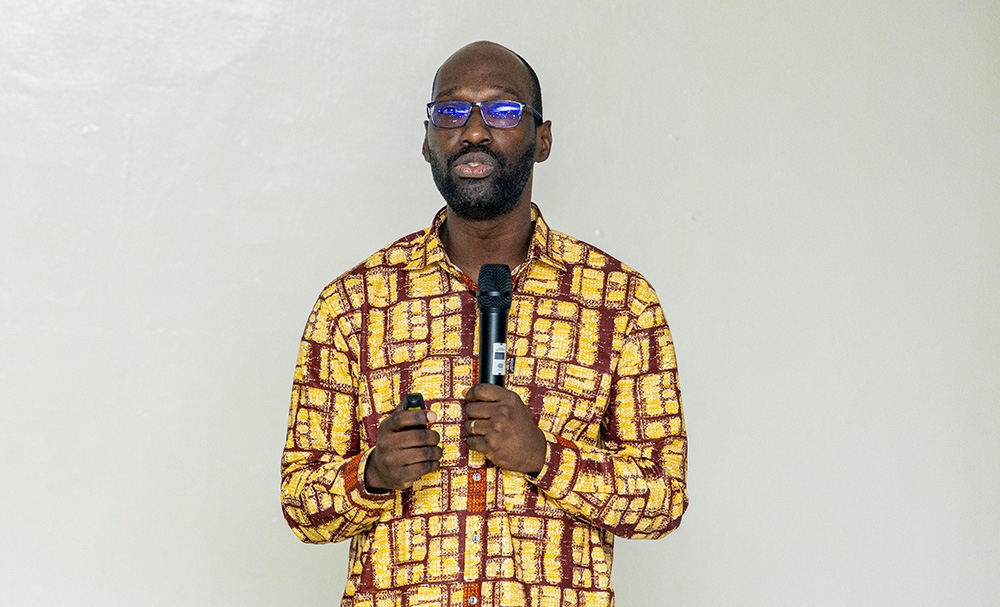
Dr. Kwadwo Owusu Akuffo, a Senior Lecturer at the Department of Optometry and Visual Science, has drawn attention to the growing incidence of Computer Vision Syndrome (CVS), cautioning that extended use of digital devices is increasingly affecting the eye health of both young people and working professionals.
He made these remarks during the third edition of Science Friday, held under the theme “Vision Revolution: The Science Behind Better Eye Care.” According to him, the condition commonly referred to as digital eye strain is becoming more prevalent as reliance on screens continues to rise.
“When we stare at screens for long periods, our blink rate reduces, leading to dry eyes. At the same time, continuous near focus causes fatigue, while glare and poor posture increase visual stress,” he explained.
Dr. Owusu Akuffo indicated that symptoms such as eye discomfort, dryness, irritation, blurred vision, headaches, as well as neck and shoulder pain are frequently experienced, yet often overlooked until they worsen.
He recommended practical steps to reduce the risk, highlighting the importance of the 20-20-20 rule, encouraging individuals to take regular breaks from screens.
“Keep your screen at about 50 to 70 centimeters and position it slightly below eye level. Blink more often, ensure proper lighting, and use the right prescription glasses where necessary,” he advised.
Beyond CVS, he underscored the wider issue of avoidable vision impairment, noting that a significant proportion of eye conditions can be prevented with timely intervention and proper care.
Dr. Owusu Akuffo further pointed to the contributions of the KNUST Low Vision Centre, which supports individuals living with irreversible vision loss through specialized assessments and assistive technologies, while also building capacity among eye care professionals nationwide.
He encouraged the public to prioritize eye health by adopting good practices such as routine eye examinations, the use of UV-protective eyewear, and maintaining a nutrient-rich diet.
In concluding, he stressed the need for greater awareness and proactive care.
“If you close your eyes for a minute, you will begin to imagine the life many people live in darkness and blindness,” he said.