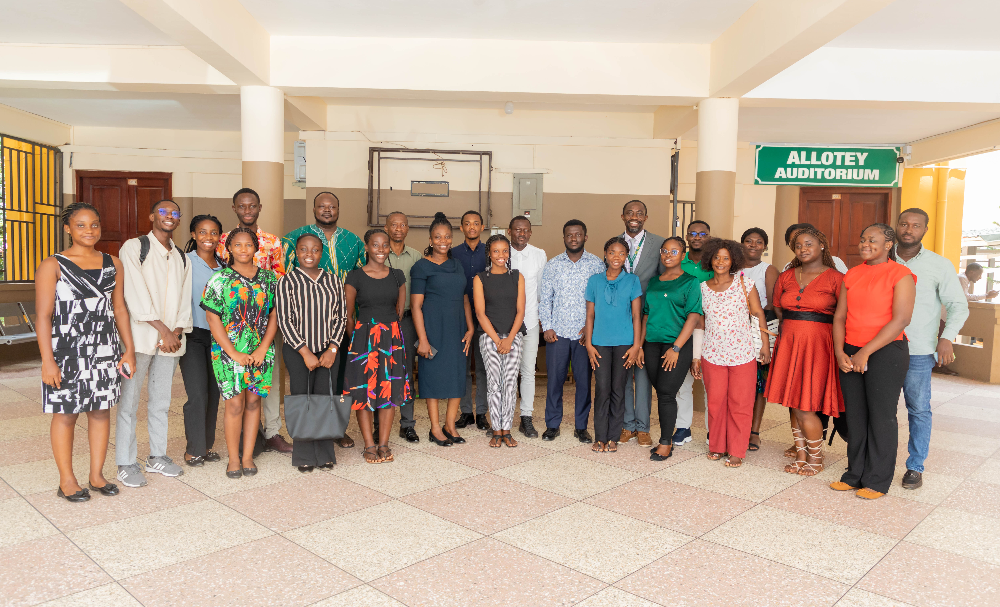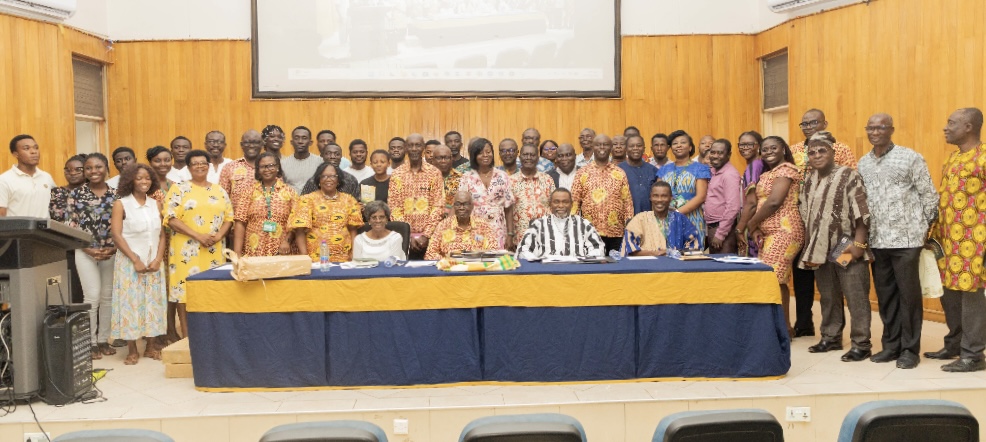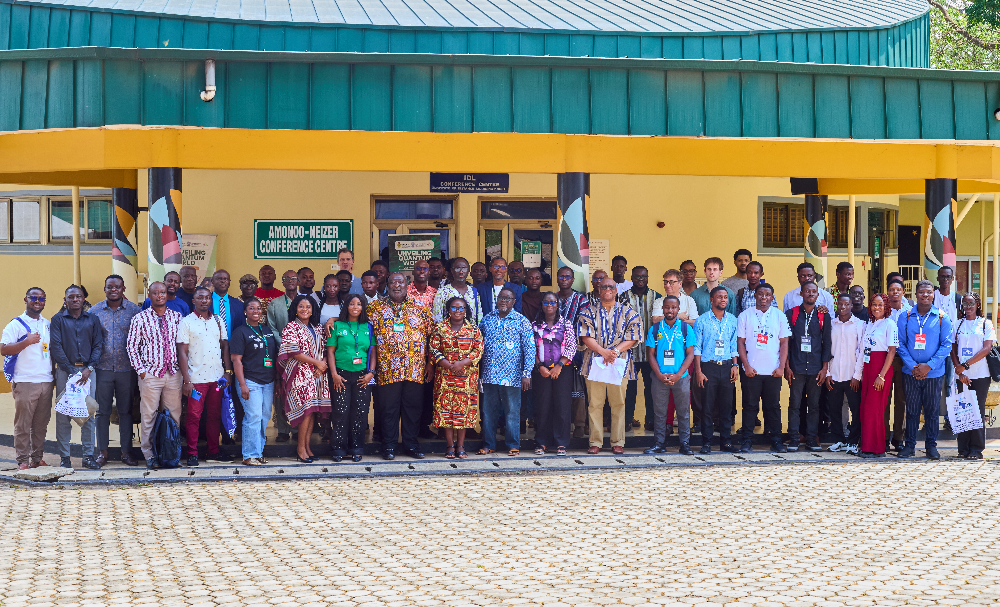
The African International Conference on Quantum Computing and Simulation, has opened with a strong focus on laying the foundation for an African Centre of Excellence in Quantum Science and Technology.
Hosted by the Mathematical and Computational Physics Unit, Department of Physics, the conference brings together educators, researchers, industry leaders, policymakers, and students to strengthen capacity, advance research, and build long-term continental collaboration.
The conference also seeks to build capacity in quantum science and technology by strengthening skills among African researchers, students, and educators through lectures, tutorials, seminars, and hands-on workshops.
Speaking at the opening, Prof. Philip Antwi Agyei, Provost of the College of Science, emphasized the strategic importance of a coordinated African quantum ecosystem.
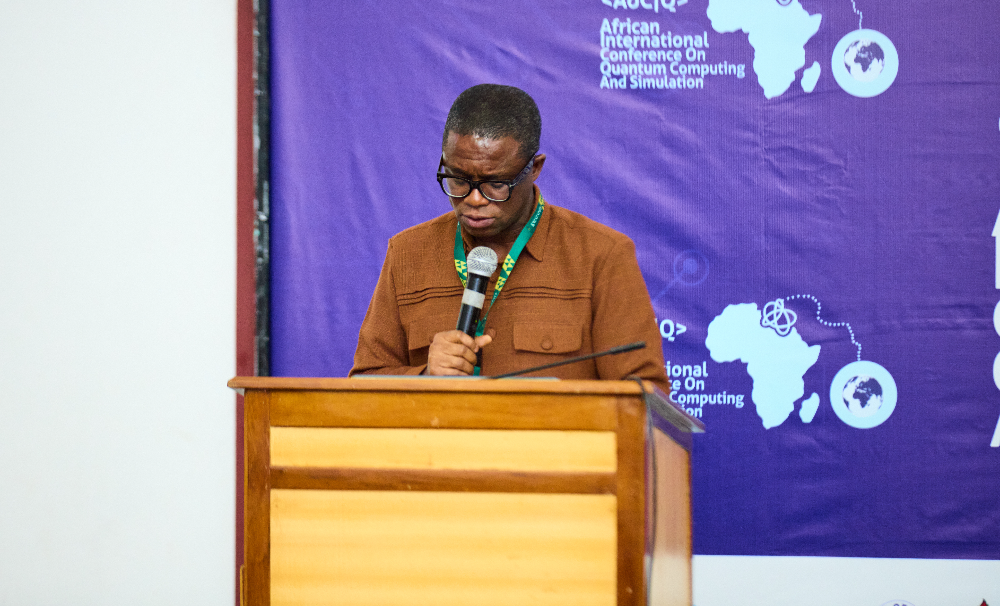
“The establishment of a Quantum Centre of Excellence will serve as a focal point for education, research and innovation, while strengthening Ghana’s contribution to continental and global scientific efforts,” he said.
Prof. Francis Ampong, Head of the Department of Physics, highlighted the transformative potential of quantum computing and simulation. across sectors such as healthcare, energy, finance, and cybersecurity.
He also encouraged participants to form working groups and collaborations that extend beyond the conference, ensuring sustained engagement and knowledge sharing.
Using Europe’s as an example, Prof. Dr. Tommaso Calarco, Director of the Peter Grünberg Institute for Quantum Control, explained how regions can build strong, coordinated quantum programs.
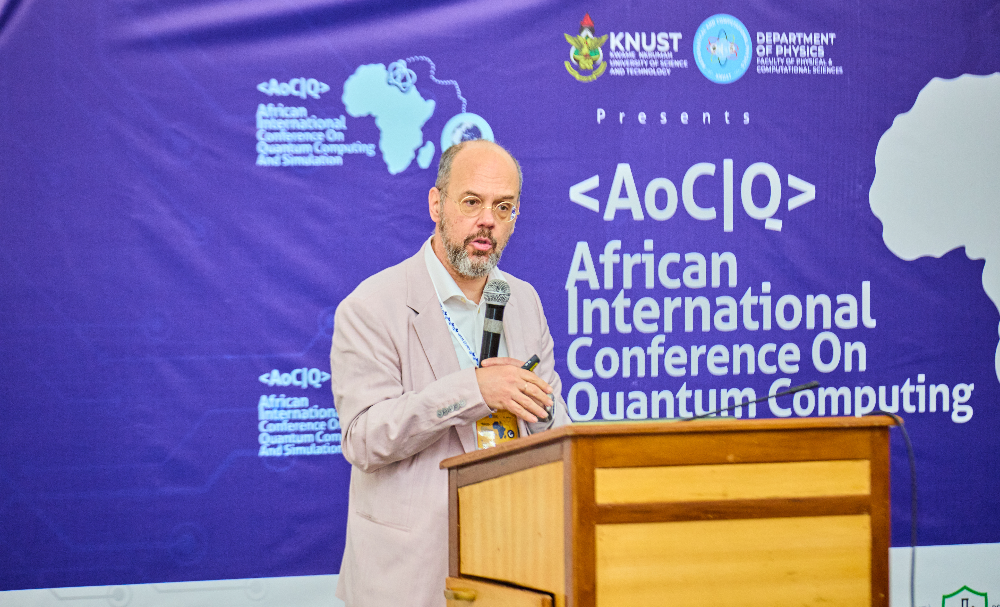
“Europe started not with advanced machines, but with conversations, shared vision, and political commitment,” he noted. “By creating shared policies and joint investments, universities, startups, and governments were able to develop local expertise and technologies.”
Drawing parallels with Africa, he added that the continent’s youthful population and expanding research base present a unique opportunity to develop its own quantum ecosystem while partnering internationally in fair and inclusive ways.
Prof. Nii Narku Quaynor, Chairman of Ghana Dot Com, warned that the world is already facing a quantum computing divide similar to the digital divide of the early internet era.
“Although quantum technologies are not yet widely available, this is the moment for Africa to engage and avoid being left behind,” he said.
He called for national and regional quantum strategies, talent development, flexible education systems, public–private partnerships, and participation in international collaborations to ensure research translates into practical solutions for African needs.
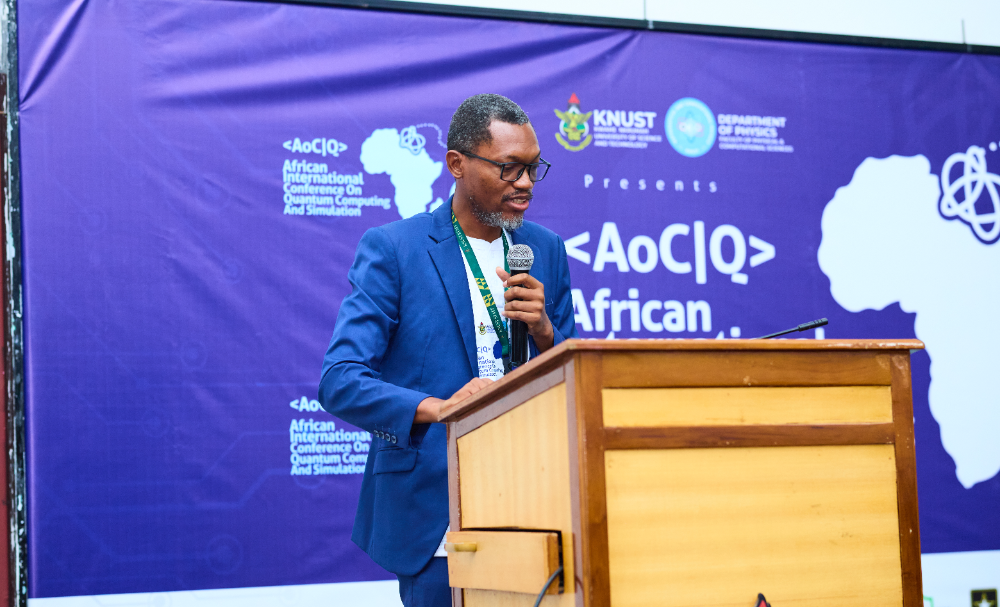
Dr. Henry Martin, Coordinator of the MCP Unit and lead for the 2035 agenda of the African Centre of Excellence in Quantum Science and Technology (ACE-QST), highlighted the growing network of Ghanaian stakeholders, agencies, and partners helping to drive the local cooperation with international collaboration.
He emphasized that these collaborations will be critical in building capacity, advancing research, and establishing Africa’s first continental hub for quantum science and technology.
The conference also received goodwill messages from key stakeholders, including H. E. Laura Ranalli, Ambassador of Italy to Ghana; Prof. Sylvester Kojo Danuor, Fellow of the Ghana Academy of Arts and Sciences, representing its President; Dr. Kwodwo Owusu Akuffo, Co-Chair of the Ghana Young Academy; Mr. Charles Appiah, Secretary of the Ghana Institute of Physics, representing its President; and Prof. Edmund Ekuadzi, Dean of the International Programmes Office.
For the rest of the week, the conference continues with a stakeholder meeting, student training sessions, and a poster presentation showcasing cutting-edge research.”
Story by: Edith Asravor