Dr. (Mrs.) Mary Amoako, Senior Lecturer at the Department of Biochemistry and Biotechnology, KNUST, has called on students and staff to place their health above the pressures of academic and work deadlines, warning that unmanaged stress is increasingly affecting wellbeing across university campuses.
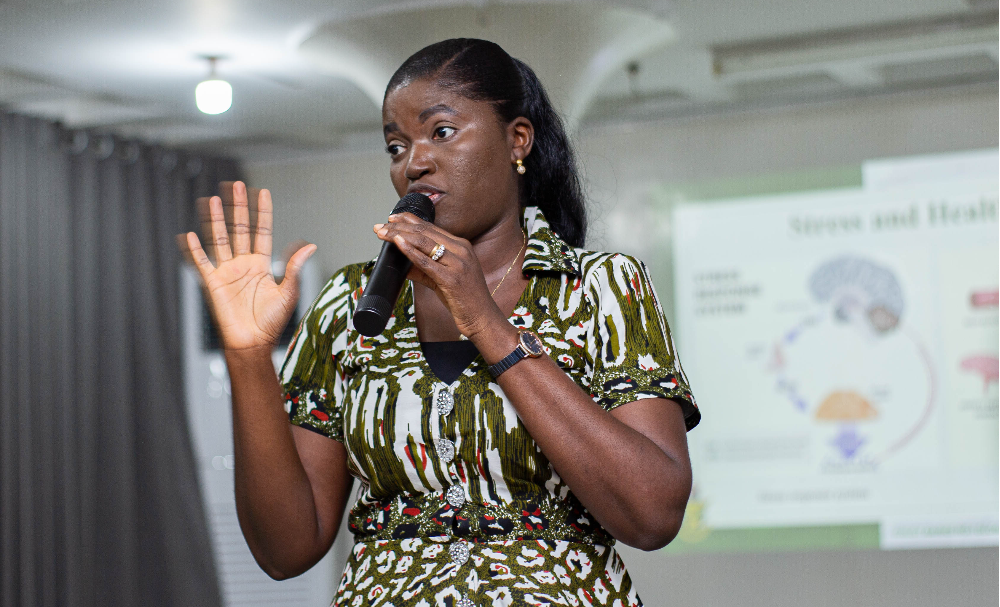
Speaking at Science Friday, organised by KNUST Libraries, on the theme “Deadlines Are Temporary… Your Health Is Not,” Dr. Amoako drew on findings from ongoing research at KNUST to show how stress is influencing nutrition, sleep, mental wellbeing, and long-term metabolic health among both students and staff.
She noted that a significant number of students surveyed reported food insecurity, irregular eating habits, and psychological distress, with academic pressure also showing links to early cardiovascular risk indicators such as elevated blood pressure.
Among university staff, the findings pointed to high levels of work-related stress, low physical activity, and growing signs of metabolic health concerns, including high blood pressure and markers associated with metabolic syndrome.
According to her, these trends reflect the reality of university life, where skipped meals, poor sleep, prolonged sitting, multiple deadlines, and limited time for self-care often become normalised.
She explained that stress goes far beyond emotions, affecting metabolism, appetite, sleep, concentration, cardiovascular health, and immunity through hormonal responses such as cortisol.

Describing universities as a perfect environment for stress to thrive, she cited academic deadlines, financial pressures, irregular meals, and poor sleep as some of the major triggers.
Dr. Amoako encouraged students to build healthier routines through regular sleep, balanced meals, hydration, physical activity, mindfulness, and early use of counselling and peer support systems. She also urged faculty members to structure their workdays better, take movement breaks, and set clear boundaries to protect their wellbeing.
She further called for institutional interventions such as affordable healthy food access on campus, wellness programmes, mental health support, and manageable workloads.
Her ongoing work, she disclosed, will expand into a multi-university study involving KNUST, UG, UHAS, UCC, and UDS, with biomarker assessments such as cortisol expected to deepen understanding of the long-term effects of chronic stress.
The Science Friday Series, organised by KNUST Libraries, is designed to promote the wellbeing of both staff and students by creating space for timely conversations on health, research, and everyday campus life.
Story by: Edith Asravor Photos by: Yawson Obed Kow (KNUST Library)