
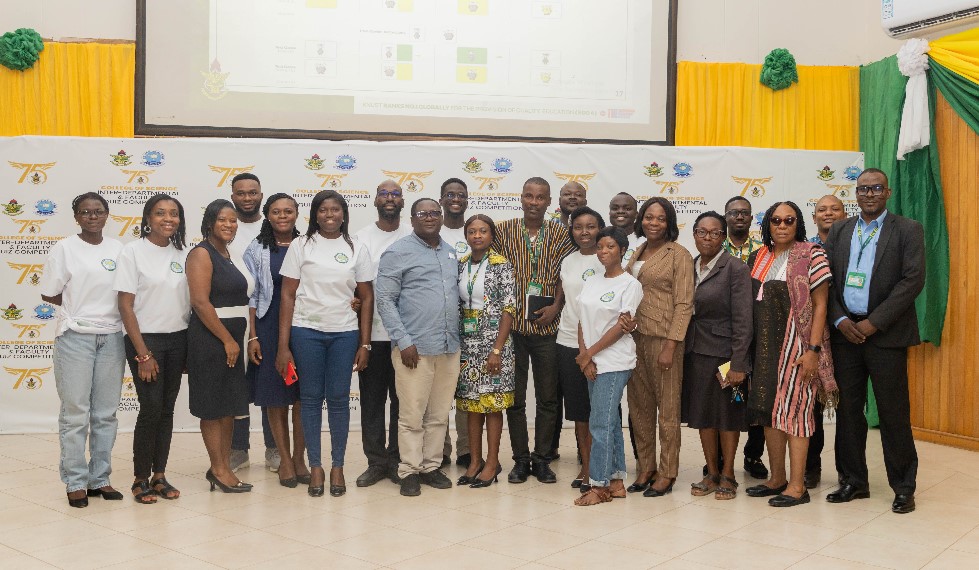
An interdisciplinary team of researchers at the College of Science, KNUST has showcased groundbreaking research demonstrating that a locally developed, nutrient-fortified complementary food can significantly improve child growth, cognition, vision and micronutrient status, offering a practical and sustainable solution to childhood undernutrition in Ghana.
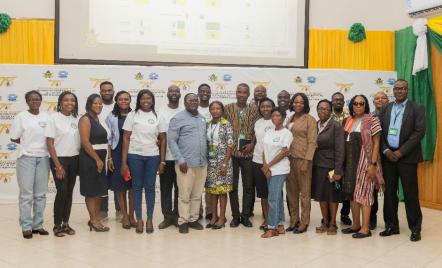
The findings were presented at a Research Dissemination, bringing together researchers, academics, development partners and policymakers to share the outcomes of a multidisciplinary project titled Addressing Child Nutrition through Interdisciplinary Research.
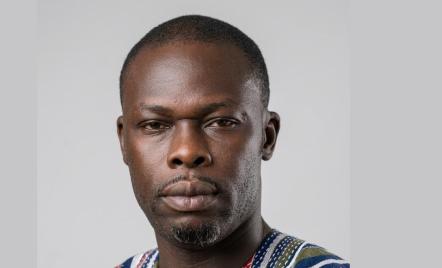
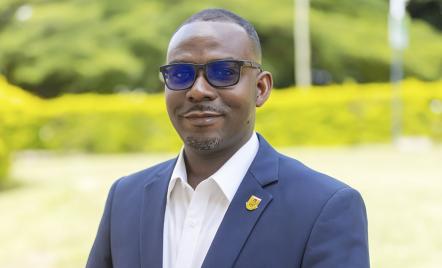
Led by Dr. Mary Amoako of the Department of Biochemistry and Biotechnology, in collaboration with Dr. Kwadwo Owusu Akuffo of the Department of Optometry and Vision Science and Dr. Abena Boakye, Department of Food Science and Technology, the project developed and scientifically evaluated a complementary food produced from locally available ingredients enriched with essential fatty acids and carotenoids.
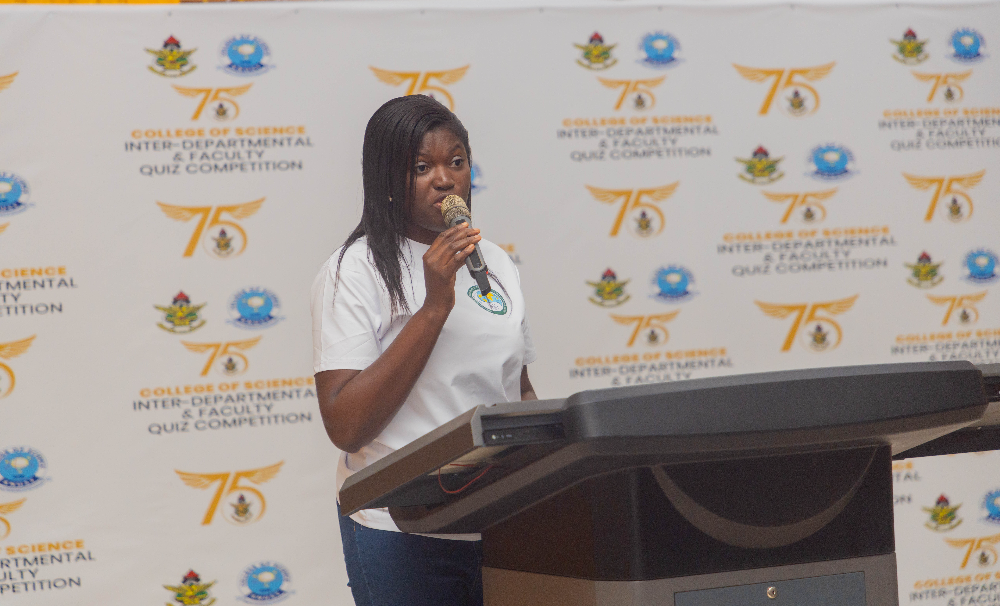
Presenting the project's scientific journey, Dr. Mary Amoako, Principal Investigator and Nutritionist, outlined the burden of childhood undernutrition in Northern Ghana, where stunting remains more than twice the national average.
She explained that the project adopted a three-phase approach, beginning with community consultations to identify culturally acceptable local ingredients, followed by product formulation and laboratory analysis, before culminating in an eight-week double-blind randomized controlled trial involving 100 children aged two to five years in the Savelugu Municipality.
The intervention demonstrated improvements in children's growth, executive cognitive function, vitamin A status, essential fatty acid status and haemoglobin levels, validating the effectiveness of a locally produced complementary food in improving child nutrition.
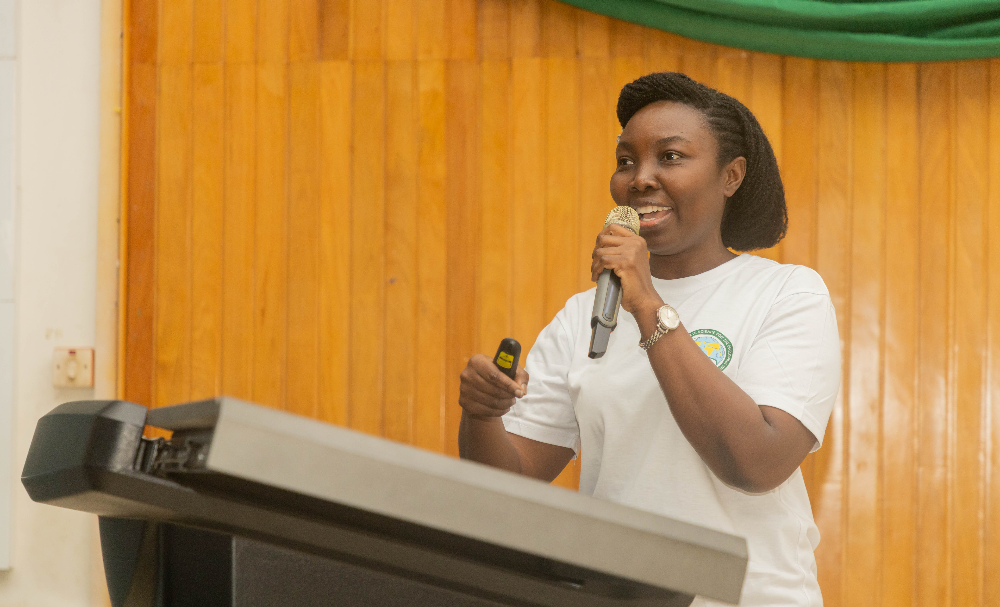
Dr. Abena Boakye said the fortified food's success depended on bringing together six disciplines; food science, nutrition, vision science, sensory evaluation, product development and social science, around one shared goal, rather than working in separate silos.
She said each field caught issues the others would have missed: nutritionists flagged gaps in micronutrient content, vision scientists pushed for carotenoid enrichment to support eye health, and social scientists ensured the product matched what communities in Savelugu would eat.
She said this cross-disciplinary process was what ultimately produced a food that was scientifically sound, nutritionally complete and culturally acceptable, an outcome she said would have been difficult to achieve had the team worked separately rather than integrating their expertise from the start.
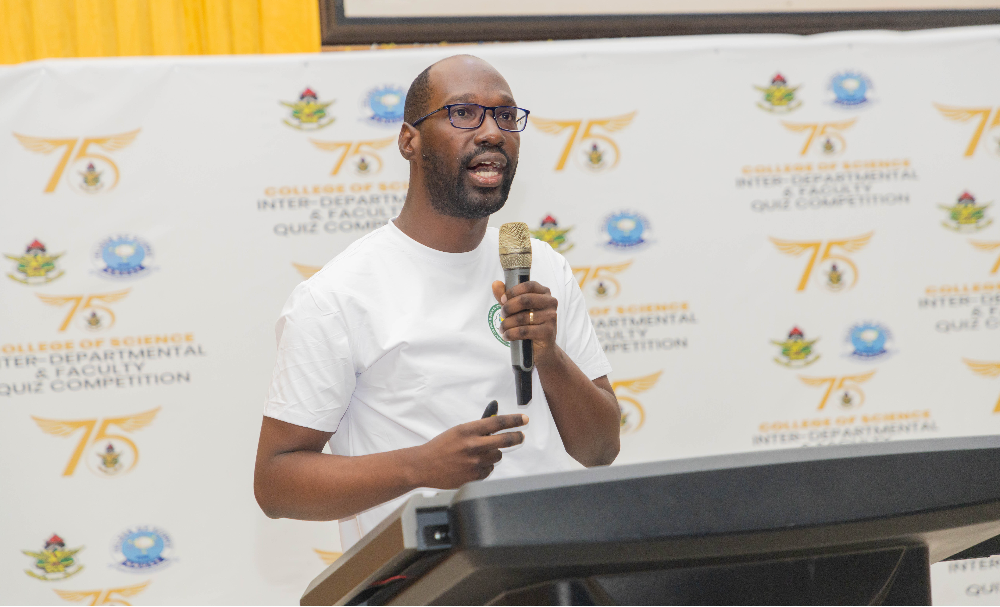
Dr. Kwadwo Owusu Akuffo, Vision Lead on the Project, highlighted the project's broader impact beyond its scientific findings. He noted that the research strengthened capacity in nutritional assessment, food product development, randomized controlled trial implementation and community-based research while providing hands-on training for students, research assistants, fieldworkers and community health personnel.
He further explained that the project deepened collaboration among nutritionists, food scientists, optometrists, industry partners and local communities, empowered caregivers through nutrition education and food demonstrations, and generated evidence capable of informing national nutrition policies.
Summarizing the project's legacy, Dr. Akuffo said the research had shown that a culturally acceptable, locally produced, nutrient-fortified complementary food can improve child growth, cognition and micronutrient status while simultaneously building local research capacity, empowering communities and generating evidence for sustainable nutrition interventions.
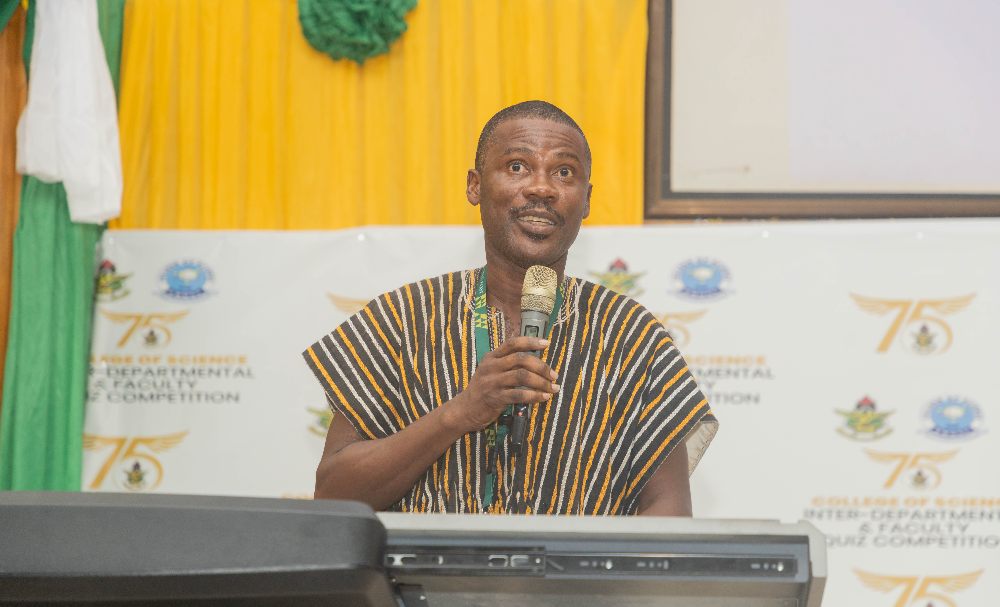
Vice Dean, Faculty of Biosciences and Head, Biochemistry and Biotechnology, Professor Caleb Kesse Firempong, speaking on behalf of the Provost, commended the research team for translating scientific knowledge into solutions with direct societal impact.
He noted that the project exemplifies the College's commitment to producing research that addresses national development priorities while advancing global scientific knowledge through multidisciplinary collaboration.
The dissemination workshop forms part of the College's efforts to bridge research and policy by creating platforms for sharing evidence that can inform public health interventions, strengthen partnerships and accelerate the translation of university research into tangible benefits for society.