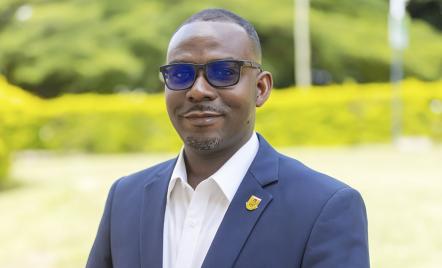


Dr. Lyndon Nii Ejiri Sackey, a Senior Lecturer at the Department of Environmental Science, has identified poor solid waste management as one of the most immediate and preventable causes of Ghana's recurring floods, urging policymakers to prioritise waste collection and environmental sanitation over reactive disaster responses.
Speaking on Focus FM's Technocrat Show following recent floods that claimed lives and displaced hundreds in parts of Ghana, Dr. Sackey said while climate change, rapid urbanization and construction on waterways all contribute to flooding, ineffective waste management remains the "low-hanging fruit" that can be addressed quickly to reduce flood risks.
He explained that waste dumped on roadsides and left uncollected is routinely washed into drains during heavy rains, blocking waterways and worsening flooding.
According to him, strengthening the country's waste management system from proper storage and timely collection to transportation, treatment and disposal would significantly reduce the volume of waste entering drainage channels.
Dr. Sackey called on Metropolitan, Municipal and District Assemblies (MMDAs) to invest in efficient waste collection systems and provide the logistics needed to ensure refuse is transported promptly to treatment facilities rather than accumulating in communities.
Beyond waste management, he advocated long-term investments in flood prevention infrastructure, including expanding storm drainage systems, dredging rivers and canals, protecting wetlands and waterways, enforcing planning regulations, and adopting nature-based solutions such as tree planting, urban parks and rain gardens to improve water infiltration.
Addressing the government's proposal to demolish structures built on waterways, Dr. Sackey described the measure as necessary but urged authorities to implement it carefully. He recommended mapping affected areas to determine where engineering solutions could suffice, while providing fair compensation and resettlement support for residents whose properties must be removed to minimise social and economic disruption.
The Environmental scientists also welcomed the government's proposed ban on styrofoam, polystyrene and other single-use plastic products from 2027, describing the move as timely and essential for reducing environmental pollution. He encouraged the adoption of biodegradable alternatives such as paper-based food packaging and other products made from organic materials, coupled with sustained public education to encourage behavioral change.
Dr. Sackey further called for the restoration of wetlands, floodplains and river buffers, improved management of natural ecosystems, and stronger enforcement of environmental regulations to build long-term resilience against flooding.
He stressed that Ghana's flood challenge requires proactive planning rather than emergency interventions, noting that coordinated investments in waste management, resilient infrastructure and environmental protection can substantially reduce the impact of future floods.