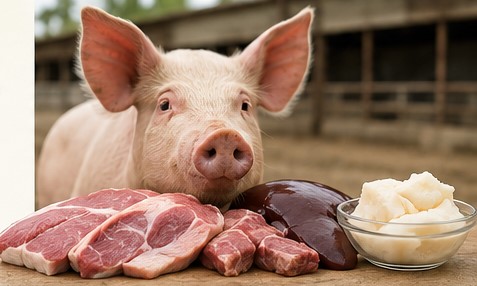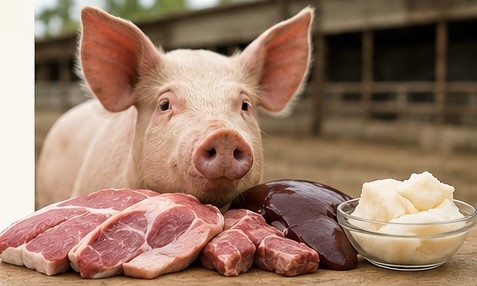
Researchers from the College of Science at the Kwame Nkrumah University of Science and Technology (KNUST) have found elevated levels of heavy metals in pork samples from Ghana's Upper West Region, with some tissues showing potential cancer risks associated with long-term consumption.
The study, titled "Human Health Risk Assessment of Heavy Metals in Muscle, Liver, Bone, and Lard from Pork Samples Obtained in Ghana," was conducted by Leticia Dassah Guba, Nathaniel Owusu Boadi, Selina Ama Saah, Eric Agorku Selorm, Mercy Badu, Harry Okyere and Nii Korley Kortei.
Heavy metal contamination of food products remains a growing global public health concern due to its potential to cause chronic illnesses and other adverse health effects.
The researchers assessed concentrations of cadmium, zinc, copper, nickel and lead in pig tissues collected from selected districts in the Upper West Region, where pig farming and pork consumption are widespread.
Using Microwave Plasma Atomic Emission Spectrometry, the team analyzed muscle, liver, bone and lard samples and found that a significant proportion contained metal concentrations above internationally recommended safety limits.
According to the study, 70% of the pork samples contained zinc concentrations above the recommended threshold, while 65%, 35%, and 25% of the samples exceeded the recommended limits for lead, nickel, and copper, respectively. Cadmium was not detected in any of the pork samples analyzed.
The researchers reported that the liver accumulated the highest concentrations of heavy metals among all tissues examined, while lard recorded the lowest levels. Significant relationships were also observed between metal concentrations across the different tissue types.
Of particular concern, the study found that cancer risk estimates for nickel in pork samples from Wa slightly exceeded acceptable safety limits. Liver and muscle samples from Nadowli also indicated potential carcinogenic risks if consumed over prolonged periods.
The findings suggest that consumers may be exposed to health risks through continuous consumption of contaminated pork, particularly organ meats such as liver, which recorded the highest levels of metal accumulation.
The researchers recommended enhanced surveillance of heavy metal contamination in livestock production systems, regular testing of animal products and stronger regulatory interventions to ensure food safety and protect public health.
They noted that the study provides important evidence to support policy decisions aimed at reducing environmental contamination and improving the safety of animal-derived foods in Ghana.
The research was published in Chemistry Africa, a peer-reviewed journal published by Springer Nature.